
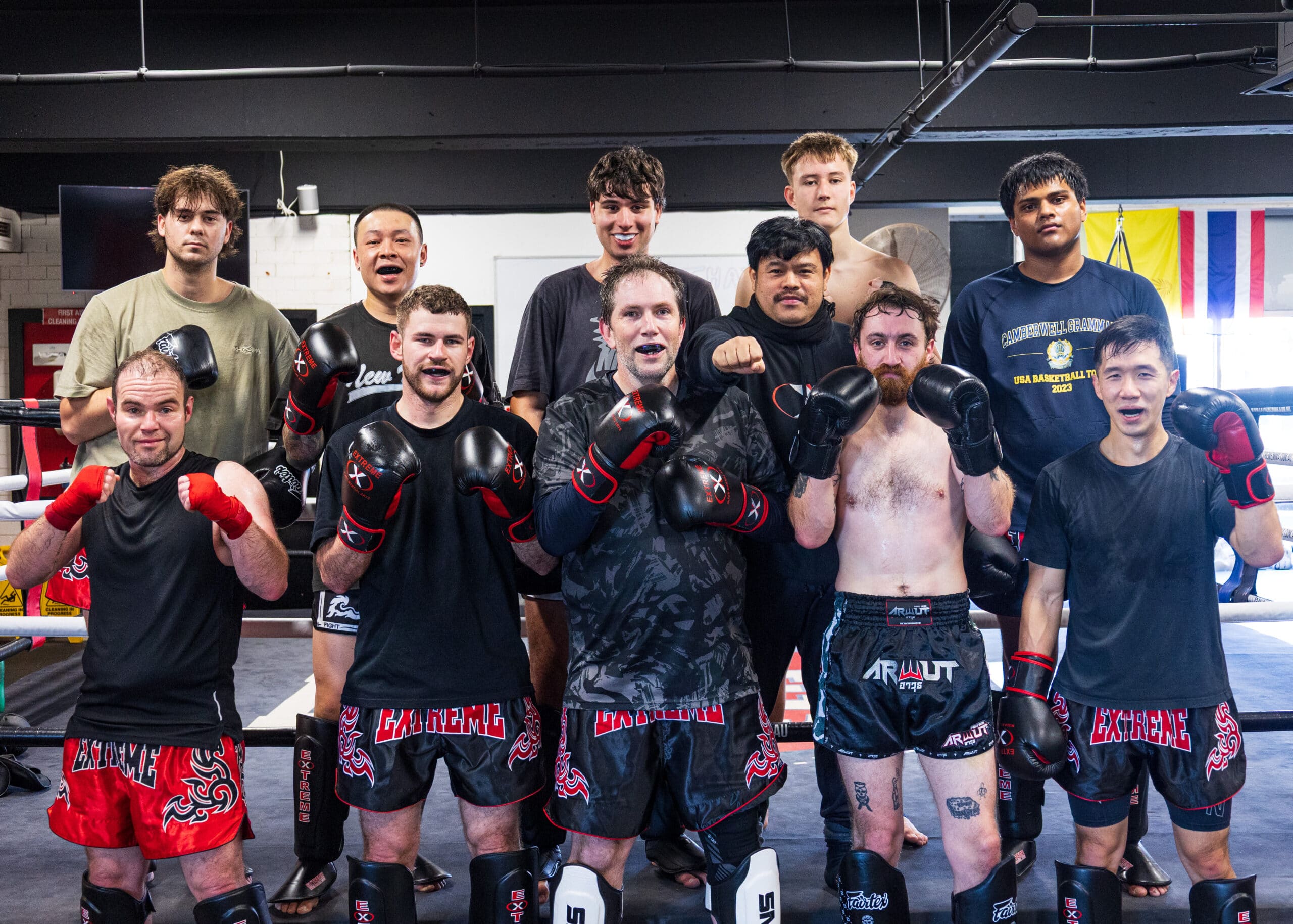
Walking into your first MMA class can feel like stepping into a whole new world. You might be wondering if you’ll get thrown to the wolves or if everyone will be some kind of fighting machine. Here’s the good news – that couldn’t be further from the truth. Most MMA gyms are incredibly welcoming to beginners, and your first class is designed to ease you into the basics without throwing you into the deep end.
Mixed martial arts combines striking techniques from disciplines like boxing and Muay Thai with grappling from Brazilian Jiu-Jitsu and wrestling. But don’t worry about mastering everything at once. Your first MMA class expectations should center around learning foundational movements, getting familiar with the gym environment, and discovering which aspects of training resonate with you most.
The reality is that many students at MMA gyms aren’t there to become professional fighters. They’re regular people looking to get fit, learn self-defense, or challenge themselves mentally and physically. This creates a supportive atmosphere where beginners can learn at their own pace without pressure to compete or spar immediately.
What Happens During Your First Class
Most quality MMA gyms will start your first session with a coach-led introduction to familiarize you with the facility and basic safety protocols. This isn’t just a quick tour – it’s your chance to understand the layout, learn where everything is, and get comfortable in the space.
How Will the Warm-Up and Basic Movements Work
Your first class will likely begin with a warm-up that might feel different from traditional gym exercises. MMA movements can seem alien at first because they require a combination of strength, explosiveness, balance, speed, and agility all working together. Don’t be surprised if simple movements like sprawls, hip escapes, or basic footwork patterns feel awkward initially.
The warm-up serves multiple purposes beyond just getting your muscles ready. It introduces you to fundamental movement patterns you’ll use throughout your MMA journey. These might include:
- Basic stance and footwork drills
- Hip mobility exercises specific to grappling
- Coordination drills that combine upper and lower body movements
- Light cardiovascular conditioning adapted to martial arts timing
What Basic Techniques Will You Learn
Your first exposure to actual MMA techniques will typically focus on the most fundamental skills from each discipline. In striking, this might mean learning how to throw a basic jab or how to hold your hands properly for defense. For grappling, you might practice basic positions like guard or learn how to fall safely.
Instructors understand that beginners need time to develop muscle memory for these new movement patterns. They’ll break down techniques into manageable pieces and have you practice slowly before adding any speed or resistance. This methodical approach helps prevent injury and builds confidence as you progress.
How Should You Prepare Mentally and Physically
One of the most important things to understand about your first MMA class is that feeling confused and somewhat ineffective is completely normal. Many experienced practitioners remember feeling lost during their early training sessions, and that’s part of the learning process.
What Mindset Will Serve You Best
Approaching your first class with realistic expectations will make the experience much more enjoyable. You’re not going to feel like a natural fighter immediately, and that’s perfectly fine. The goal is to learn something new, get a good workout, and see if MMA training appeals to you long-term.
Remember that everyone in that room was once exactly where you are now. The most skilled practitioners understand what it's like to be a complete beginner, and they're usually the most encouraging people you'll meet.
Focus on absorbing information rather than performing perfectly. Your coaches expect you to make mistakes and ask questions. In fact, asking for clarification when you don’t understand something shows that you’re engaged and taking the training seriously.
How Should You Prepare Your Body
You don’t need to be in peak physical condition to start MMA training, but some basic preparation can help you feel more confident and reduce soreness afterward. Your body will adapt to the specific demands of martial arts training over time, but starting with a foundation of general fitness makes the transition smoother.
Consider doing some light cardiovascular exercise in the week leading up to your first class. This doesn’t mean you need to run marathons, but having some basic endurance will help you participate more fully in the training session.
- Basic bodyweight exercises like push-ups and squats can help prepare your muscles
- Simple stretching routines will improve your mobility for grappling movements
- Light jogging or cycling can build the cardiovascular base you’ll need
- Most importantly, stay hydrated and get adequate sleep before your first class
What Should You Know About Gym Etiquette and Safety
Understanding basic gym etiquette and safety protocols before your first class helps you feel more confident and shows respect for the training environment and other students.
What Are the Essential Hygiene and Respect Guidelines
MMA training involves close physical contact, so maintaining proper hygiene isn’t just polite – it’s essential for everyone’s health and safety. Most gyms have specific protocols around cleanliness that you’ll need to follow.
Mat hygiene is particularly important in grappling-focused training. You’ll typically remove shoes before stepping onto training mats, and many gyms provide sanitizing stations for cleaning hands and feet. Some facilities require students to shower before training if they’ve been sweating from other activities.
How Does Safety Work in Beginner Classes
Quality MMA gyms prioritize safety, especially for beginners. Your first few classes will focus heavily on controlled movements and learning proper technique before adding any intensity or resistance. Instructors typically demonstrate techniques first, then have students practice slowly with partners.
Most gyms have clear progression systems that ensure beginners don’t participate in full-contact sparring until they’ve developed adequate skills and understanding of safety protocols. This gradual approach protects both you and your training partners while building your confidence.
Which Martial Arts Disciplines Will You Experience
MMA combines techniques from multiple martial arts, and your first class will likely give you a taste of several different disciplines. Understanding what each brings to the table can help you appreciate the comprehensive nature of mixed martial arts training.
How Do Striking Arts Fit Into MMA Training
If you’re more comfortable with the idea of punching and kicking than wrestling on the ground, striking arts like boxing and Muay Thai provide an excellent entry point into MMA. These disciplines build foundational fitness, footwork, and timing while teaching practical self-defense skills.
Muay Thai, in particular, is frequently recommended for beginners because it develops both fitness and practical fighting skills. The conditioning aspect helps build physical toughness over time, while the techniques provide effective tools for self-protection. Boxing offers similar benefits with a focus on hand techniques and defensive footwork.
| Discipline | Primary Focus | Beginner Benefits | Physical Demands
|
|---|---|---|---|
| Boxing | Hand striking and head movement | Builds coordination and cardiovascular fitness | Moderate to high intensity |
| Muay Thai | Punches, kicks, knees, and elbows | Full-body conditioning and practical skills | High intensity with gradual progression |
| Brazilian Jiu-Jitsu | Ground fighting and submissions | Problem-solving skills and leverage techniques | Moderate intensity, high technical demand |
| Wrestling | Takedowns and ground control | Builds functional strength and mental toughness | Very high intensity and physicality |
What Should You Know About Grappling Components
The grappling aspects of MMA, primarily Brazilian Jiu-Jitsu and wrestling, might seem intimidating if you’ve never done close-contact sports before. However, these disciplines offer unique benefits that complement striking training and provide a more complete martial arts education.
Brazilian Jiu-Jitsu is often recommended for self-defense because it teaches smaller individuals how to use leverage and technique to overcome larger, stronger opponents. The problem-solving aspect of BJJ also provides mental stimulation that many students find addictive once they get past the initial awkwardness of ground fighting.
How Long Does It Take to Feel Comfortable
Understanding realistic timelines for progress helps set appropriate expectations and prevents discouragement during the initial learning phase. Everyone progresses at different rates, but certain patterns are common among beginners.
What Should You Expect in Your First Few Weeks
The first few weeks of MMA training are primarily about familiarization rather than mastery. You’ll be learning basic movements, understanding the rhythm of classes, and developing the physical conditioning specific to martial arts training. This period often involves some muscle soreness as your body adapts to new movement patterns.
Most students report feeling more comfortable with the basic movements and class structure after about a month of consistent training. However, feeling truly proficient in the techniques typically takes much longer – often measured in months or years rather than weeks.
Your body will gradually adapt to the specific demands of martial arts training. The conditioning that comes from repeated practice of techniques like sprawls, hip escapes, and striking combinations builds functional fitness that transfers to improved performance across all aspects of training.
How Can You Track Your Own Progress
Progress in MMA isn’t always linear or immediately obvious, especially in the early stages. Rather than focusing solely on technical mastery, pay attention to improvements in your conditioning, coordination, and comfort level during training.
- Notice when basic movements start feeling more natural and require less conscious thought
- Track improvements in your cardiovascular endurance during training sessions
- Observe increased flexibility and mobility from regular stretching and movement practice
- Recognize growing confidence in your ability to learn and execute new techniques
- Appreciate the mental benefits like stress relief and improved focus outside the gym
How to Choose the Right Training Approach
While you’re just starting with your first class, understanding different training philosophies and approaches can help you make informed decisions about your martial arts journey as you progress.
What Makes Quality Instruction More Important Than Style Variety
When evaluating MMA gyms and training opportunities, the quality of instruction significantly outweighs the breadth of styles offered. A gym with excellent coaching in fewer disciplines will provide better foundational skills than one offering mediocre instruction across many martial arts.
Beginners benefit much more from strong foundational teaching in core skills than from diluted training across multiple disciplines. Focus on finding instructors who can break down techniques clearly, provide individual attention, and create a safe learning environment rather than gyms that simply offer the most variety.
How Should You Evaluate Different Training Options
Don’t rely on martial art names alone when choosing where to train. Even well-established disciplines can vary dramatically in teaching quality, class structure, and overall culture between different gyms. The best approach involves visiting potential training locations and observing classes before making commitments.
Pay attention to how instructors interact with students, especially beginners. Quality coaches take time to ensure students understand techniques properly and provide modifications for different skill levels. They also maintain a balance between pushing students to improve and keeping training safe and accessible.
Consider practical factors like schedule compatibility, location convenience, and overall gym culture alongside the technical quality of instruction. Your long-term success in martial arts training depends heavily on finding an environment where you feel comfortable and motivated to train consistently.
What Happens Next in Your Training Journey
Your first MMA class is just the beginning of what can become a rewarding long-term practice. Understanding what comes next helps you make informed decisions about continuing your training and setting realistic goals.
How Can You Build on Your Initial Experience
After your first class, take some time to reflect on what aspects of the training appealed to you most. Some students gravitate toward the striking elements, while others find themselves drawn to the problem-solving nature of grappling. Both preferences are valid, and you can tailor your training focus accordingly while still maintaining a well-rounded skill set.
Many successful MMA practitioners recommend trying multiple classes to find what fits your lifestyle and interests best. The combination of different disciplines keeps training interesting and provides comprehensive self-defense and fitness benefits that single-style training might not offer.
Consider setting short-term goals that focus on consistency and basic skill development rather than ambitious performance targets. Regular attendance at classes and gradual improvement in fundamental techniques provide a solid foundation for more advanced training as you progress.
Extreme MMA offers comprehensive beginner programs designed to help new students transition smoothly into mixed martial arts training. Our experienced coaches understand that everyone starts somewhere, and we’re committed to providing the supportive environment you need to succeed in your martial arts journey.
Key Takeaways for Your First MMA Class
Starting your MMA journey doesn’t require perfect fitness or prior experience. The most important qualities for success are curiosity, consistency, and a willingness to learn from mistakes. Your first class is designed to introduce you to the basics in a safe, controlled environment with experienced guidance.
Remember that everyone in the gym was once exactly where you are now. The martial arts community generally embraces beginners who show genuine interest in learning and respect for the training environment. Focus on absorbing information and enjoying the experience rather than worrying about immediate performance.
Quality instruction and a supportive training environment matter more than having access to every possible martial arts style. Take time to evaluate different gyms and find one where you feel comfortable asking questions and making mistakes as part of the learning process.
Your progress will come gradually through consistent practice rather than dramatic breakthroughs. Trust the process, stay patient with yourself, and remember that martial arts training offers benefits that extend far beyond fighting skills – including improved fitness, mental resilience, and personal confidence.
About the Author

Lachlan James
Marketing Coordinator at Extreme MMA
Lachlan James is the Marketing Coordinator at Extreme MMA, responsible for creating engaging content and building the brand’s online presence. With a passion for mixed martial arts and digital marketing, Lachlan combines his knowledge of the sport with strategic marketing expertise to help grow the Extreme MMA community. He works closely with coaches and fighters to share their stories and expertise with both current members and aspiring martial artists.
When he’s not creating content or managing social media campaigns, Lachlan can be found training at the gym, always looking to improve his own skills while gaining deeper insights into what makes Extreme MMA special.
When he's not creating content or managing social media campaigns, Lachlan can be found training at the gym, always looking to improve his own skills while gaining deeper insights into what makes Extreme MMA special.