
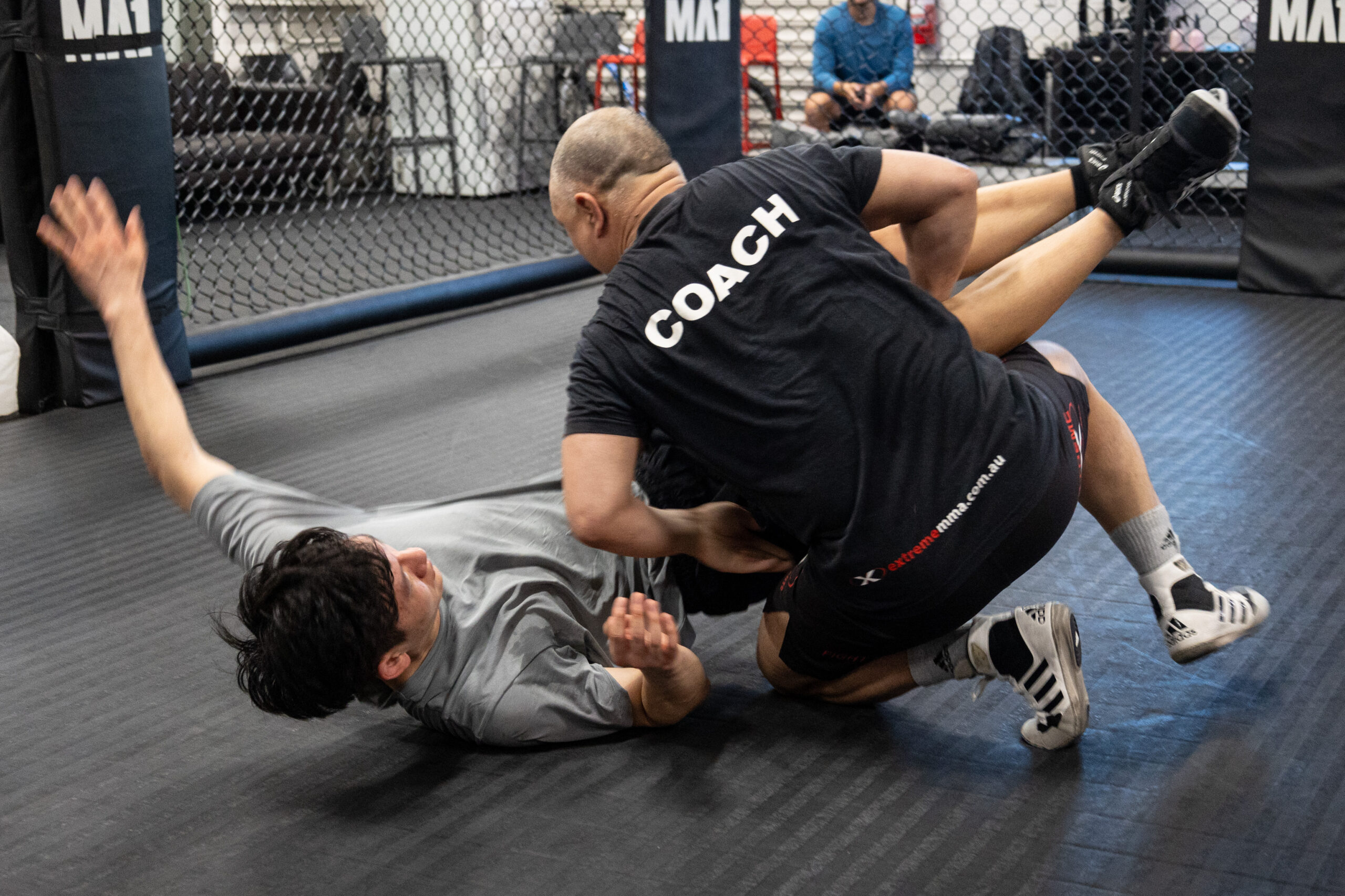
So you’re ready to dive into the world of mixed martial arts, but you’re faced with that classic dilemma – should you start your striking journey with boxing vs muay thai for MMA? It’s like asking whether you should learn to drive in a manual or automatic car first. Both will get you where you want to go, but they’ll teach you different skills along the way.
Here’s the thing though – this isn’t just about which art looks cooler in the movies. Your choice between boxing and Muay Thai as your striking foundation can significantly impact how quickly you develop, how much you enjoy training, and ultimately how well-rounded you become as a mixed martial artist. The good news? There’s no universally “wrong” choice here, just different paths that suit different people and situations.
Let’s break down the real factors that should influence your decision, from the practical stuff like finding good sparring partners to the longer-term considerations about injury prevention and skill development. By the end of this guide, you’ll have a clear framework for making the choice that’s right for your specific situation and goals.
What Makes Boxing an Excellent Starting Point for MMA
Boxing often gets the nod as the better starting discipline for one simple reason – it builds incredibly solid fundamentals that translate beautifully into every other striking art. Think of it like learning proper grammar before you start writing poetry. The footwork, head movement, and punch mechanics you develop in boxing create a rock-solid foundation that makes everything else easier to learn.
Why Boxing Fundamentals Transfer So Well to Other Striking Arts
When you start with boxing, you’re essentially learning the “alphabet” of striking. The stance, the way you move your feet, how you slip punches and counter-attack – these skills don’t just disappear when you add kicks and elbows to the mix. In fact, they often prevent you from developing bad habits that can be tough to break later.
Many successful MMA fighters started with boxing precisely because it teaches you to be comfortable in the pocket, to stay calm under pressure, and to throw combinations with proper timing and distance. These mental and physical attributes are like a universal adapter – they plug into any striking system you learn afterward.
The Sparring Advantage That Often Tips the Scale
Here’s where boxing really shines for beginners – you’re much more likely to find quality sparring partners and experienced coaches in most areas. Boxing has been around longer, has more dedicated gyms, and generally offers more opportunities to test your skills in controlled sparring sessions.
Regular sparring is absolutely crucial for developing timing, distance management, and composure under pressure. You can hit pads all day long, but until someone’s hitting back, you’re only learning half the equation. Boxing gyms typically have structured sparring programs that help beginners gradually build up their experience and confidence.
The accessibility factor can’t be overstated either. In many areas, you’ll find multiple boxing gyms with different coaching styles and training approaches, giving you options to find the right fit for your learning style and personality.
Why Muay Thai Might Be Your Better Long-Term Choice
While boxing builds fantastic fundamentals, Muay Thai offers something that pure boxing simply can’t – a complete striking toolkit that mirrors what you’ll actually use in MMA competition. It’s like learning to cook with a full kitchen versus just a stovetop. Both can produce great results, but one gives you more options from the start.
The Versatility Factor That Makes Muay Thai Appealing
Muay Thai doesn’t just teach you punches – it gives you kicks, knees, elbows, and perhaps most importantly for MMA, clinch work. The clinch is essentially standing grappling, and it’s a massive component of MMA that boxing completely ignores. When you’re pressed against the cage in an MMA fight, your Muay Thai clinch skills become incredibly valuable.
The mental approach in Muay Thai also tends to be different from boxing. Instead of the constant head movement and footwork of boxing, Muay Thai teaches you to be comfortable in closer ranges, to work from different grips and positions, and to use your entire body as a weapon. This mindset often translates more directly to MMA situations.
Safety Considerations That Matter for Your Long-Term Health
One advantage that many practitioners notice in Muay Thai is the generally lighter approach to sparring, especially when it comes to head shots. While boxing culture often emphasizes hard sparring to build toughness, traditional Muay Thai training typically focuses more on technical development with controlled contact.
This doesn’t mean Muay Thai is “easier” – anyone who’s taken a few shin kicks will tell you otherwise. But the reduced emphasis on hard head sparring can be appealing for people who want to train consistently for years without accumulating unnecessary wear and tear on their brain.
The beauty of Muay Thai is that it teaches you to be dangerous from every range and position, not just when you're at perfect punching distance
How Your Local Training Environment Should Influence Your Decision
Here’s a reality check that might be more important than any technical comparison – the quality of instruction and training partners available to you locally matters more than the theoretical advantages of either art. A great boxing coach with dedicated training partners will serve you better than a mediocre Muay Thai program with sporadic attendance.
What to Look for When Evaluating Local Options
When you’re scoping out gyms, pay attention to more than just the fancy equipment and Instagram-worthy photos. Watch a few classes and notice how the instructors interact with students at different levels. Do they take time to correct beginners’ form? Do they create a supportive environment where people feel comfortable making mistakes and asking questions?
Look at the student body too. Are there people at various skill levels training together? Do you see beginners getting quality attention, or are they just ignored while the coach focuses on the advanced fighters? The culture of the gym often matters more than which specific martial art they’re teaching.
The Coaching Quality Factor You Can’t Ignore
A coach who truly understands the fundamentals of their art and can communicate them clearly will accelerate your progress regardless of whether they’re teaching boxing or Muay Thai. Conversely, poor instruction can set you back months or even years by allowing bad habits to become ingrained.
Don’t be afraid to try trial classes at multiple gyms. Most quality facilities offer some kind of introductory period where you can get a feel for their teaching style and training atmosphere. Use this time to ask questions about their approach to beginners and their philosophy about skill development.
Which Discipline Offers Better Injury Prevention and Longevity
Let’s talk about something that might not be on your radar yet but definitely should be – how your choice now affects your ability to train consistently for years to come. Both boxing and Muay Thai carry injury risks, but they tend to be different types of risks that affect different parts of your body and training longevity.
Understanding the Injury Patterns in Each Discipline
Boxing’s injury profile is fairly well-documented, with head trauma being the primary concern due to the emphasis on punches to the head and the culture of hard sparring in many gyms. The repetitive nature of punch combinations can also lead to overuse injuries in the shoulders, wrists, and elbows over time.
Muay Thai presents a different injury landscape. While head trauma is still a concern, the variety of techniques tends to distribute wear more evenly across your body. However, you’re dealing with new risks like shin conditioning, potential knee injuries from kicking, and the general soreness that comes from full-body contact training.
The key insight here is that both arts can be trained safely with proper instruction, appropriate protective gear, and smart training practices. The gym culture and coaching philosophy around sparring intensity often matter more than the specific techniques being taught.
| Aspect | Boxing | Muay Thai
|
|---|---|---|
| Primary injury risk | Head trauma, hand/wrist injuries | Leg injuries, bruising, head trauma |
| Typical sparring intensity | Often harder, more frequent | Generally more controlled |
| Conditioning requirements | Cardiovascular, upper body | Full body, flexibility |
| Recovery time needed | Moderate to high | Moderate |
Smart Training Practices That Apply to Both Disciplines
Regardless of which path you choose, certain practices will help you train safely and consistently. Always prioritize proper warm-up and cool-down routines, invest in quality protective gear, and never let ego override common sense when it comes to sparring intensity.
Listen to your body and don’t push through significant pain or discomfort. Both boxing and Muay Thai should make you stronger and more capable over time, not leave you constantly nursing injuries or dreading your next training session.
How Personal Enjoyment Impacts Your Long-Term Success
Here’s something that gets overlooked in a lot of technical discussions about martial arts – if you don’t genuinely enjoy what you’re doing, you’re probably not going to stick with it long enough to get really good at it. And in martial arts, consistency over months and years trumps short bursts of intense training every single time.
Why Passion Matters More Than Perfect Technique Choice
Think about it this way – the person who trains Muay Thai three times a week for two years will almost certainly become a better overall fighter than someone who does boxing five times a week for six months before burning out. Martial arts is a long game, and sustainable enjoyment is a crucial ingredient in long-term success.
Some people are naturally drawn to the precision and rhythm of boxing combinations. Others love the variety and full-body engagement of Muay Thai. Neither preference is right or wrong – they’re just different personality traits that should factor into your decision-making process.
How to Gauge Your Natural Inclinations
The best way to figure out what you’ll enjoy is to try both disciplines if possible. Most gyms offer trial classes or short-term introductory packages. Pay attention not just to how you feel during the workout, but how you feel afterward and whether you find yourself looking forward to the next session.
Notice what aspects of training energize you versus what feels like a chore. Do you love the technical precision required for clean boxing combinations, or does the variety of Muay Thai techniques keep you more engaged? Do you prefer the chess-match mentality of boxing defense, or the more dynamic range management of Muay Thai?
What About Combining Both Disciplines Over Time
Here’s a perspective that might resolve your dilemma entirely – you don’t necessarily have to choose one discipline forever. Many successful MMA fighters have built their striking game by learning one art thoroughly first, then adding elements from other disciplines as their skills and understanding develop.
The Sequential Learning Approach That Works for Many Fighters
Starting with boxing for 6-12 months to build solid hand techniques and footwork, then transitioning to Muay Thai to add kicks and clinch work, can give you the best of both worlds. This approach allows you to build strong fundamentals without the confusion that sometimes comes from trying to learn too many techniques simultaneously.
Alternatively, some fighters prefer to start with Muay Thai to get the full striking picture early, then later add boxing-specific training to refine their hand techniques and improve their boxing defense. Both sequences can work well depending on your learning style and local training opportunities.
How MMA Gyms Blend Both Approaches
If you have access to a quality MMA gym, they often solve this dilemma by teaching elements of both boxing and Muay Thai within their striking classes. This can be an ideal solution for beginners who want to experience both approaches without having to choose between separate gyms or programs.
MMA-focused striking classes typically emphasize the techniques and combinations most relevant to cage fighting, drawing the best elements from both boxing and Muay Thai while avoiding some of the traditional training methods that don’t translate well to MMA competition.
Making Your Decision Based on Your Specific Situation
Now that we’ve covered the key factors, let’s put together a framework for making this decision based on your specific circumstances, goals, and local options. Remember, the “perfect” choice on paper doesn’t matter if it doesn’t work for your real-world situation.
When Boxing Might Be Your Best Starting Point
Choose boxing as your foundation if you have access to high-quality boxing instruction with regular sparring opportunities, if you’re particularly interested in developing superior hand techniques and head movement, or if you want to build confidence through a discipline with a clear, straightforward learning progression.
Boxing also makes sense if you’re concerned about the leg conditioning requirements of Muay Thai, if you prefer a more focused skill set initially, or if the boxing gyms in your area significantly outclass the Muay Thai options in terms of coaching quality and training environment.
When Muay Thai Offers the Better Foundation
Start with Muay Thai if you’re drawn to a more complete striking system from day one, if you want to develop clinch skills early, or if you’re particularly interested in the mental toughness and body conditioning aspects of traditional Muay Thai training.
Muay Thai is also the better choice if the local instruction quality is superior to boxing options, if you prefer a training culture that typically emphasizes lighter sparring, or if you’re specifically attracted to the variety and full-body engagement that comes with learning kicks, knees, and elbows alongside punches.
What to Do Next and How We Can Help
The beauty of this decision is that there’s no permanent commitment required. Whether you start with boxing or Muay Thai, you’re building valuable skills that will serve you well in MMA and in life. The most important step is simply to begin training consistently with quality instruction.
Here’s your action plan – visit gyms in your area that offer both boxing and Muay Thai programs. Take trial classes in both disciplines and pay attention to the quality of instruction, the training environment, and how you feel during and after each session. Talk to current students about their experiences and progression.
- Research local gyms and their trial class policies
- Try at least 2-3 classes of each discipline before deciding
- Evaluate coaching quality, not just facility appearance
- Consider the availability of training partners at your level
- Factor in schedule compatibility and location convenience
- Trust your instincts about which environment feels more supportive
At Extreme MMA, we understand that choosing your striking foundation is a big decision, which is why we offer comprehensive programs in both boxing and Muay Thai alongside our full MMA curriculum. Our experienced coaches can help you explore both disciplines and find the path that best suits your goals, learning style, and schedule.
We believe in building skills progressively and safely, whether you’re drawn to the precision of boxing or the versatility of Muay Thai. Our 30-day trial program gives you plenty of time to experience different classes, work with various instructors, and make an informed decision about your training direction.
Building Your Foundation for Long-Term Success
Remember, the goal isn’t to make the perfect decision – it’s to make a good decision and then commit to consistent training. Both boxing and Muay Thai can provide excellent foundations for MMA, and many of the skills you develop in either discipline will enhance your overall martial arts journey.
The fighters who succeed in MMA aren’t necessarily the ones who chose the “optimal” striking base initially. They’re the ones who trained consistently, learned from quality coaches, and gradually expanded their skill set over time. Whether that journey starts with boxing, Muay Thai, or a combination of both is less important than simply beginning the journey with enthusiasm and dedication.
Focus on finding an environment where you can train safely, learn effectively, and enjoy the process of steady improvement. The technical details will work themselves out over time as your skills and understanding develop.
About the Author

Lachlan James
Marketing Coordinator at Extreme MMA
Lachlan James is the Marketing Coordinator at Extreme MMA, responsible for creating engaging content and building the brand’s online presence. With a passion for mixed martial arts and digital marketing, Lachlan combines his knowledge of the sport with strategic marketing expertise to help grow the Extreme MMA community. He works closely with coaches and fighters to share their stories and expertise with both current members and aspiring martial artists.
When he’s not creating content or managing social media campaigns, Lachlan can be found training at the gym, always looking to improve his own skills while gaining deeper insights into what makes Extreme MMA special.
When he's not creating content or managing social media campaigns, Lachlan can be found training at the gym, always looking to improve his own skills while gaining deeper insights into what makes Extreme MMA special.