
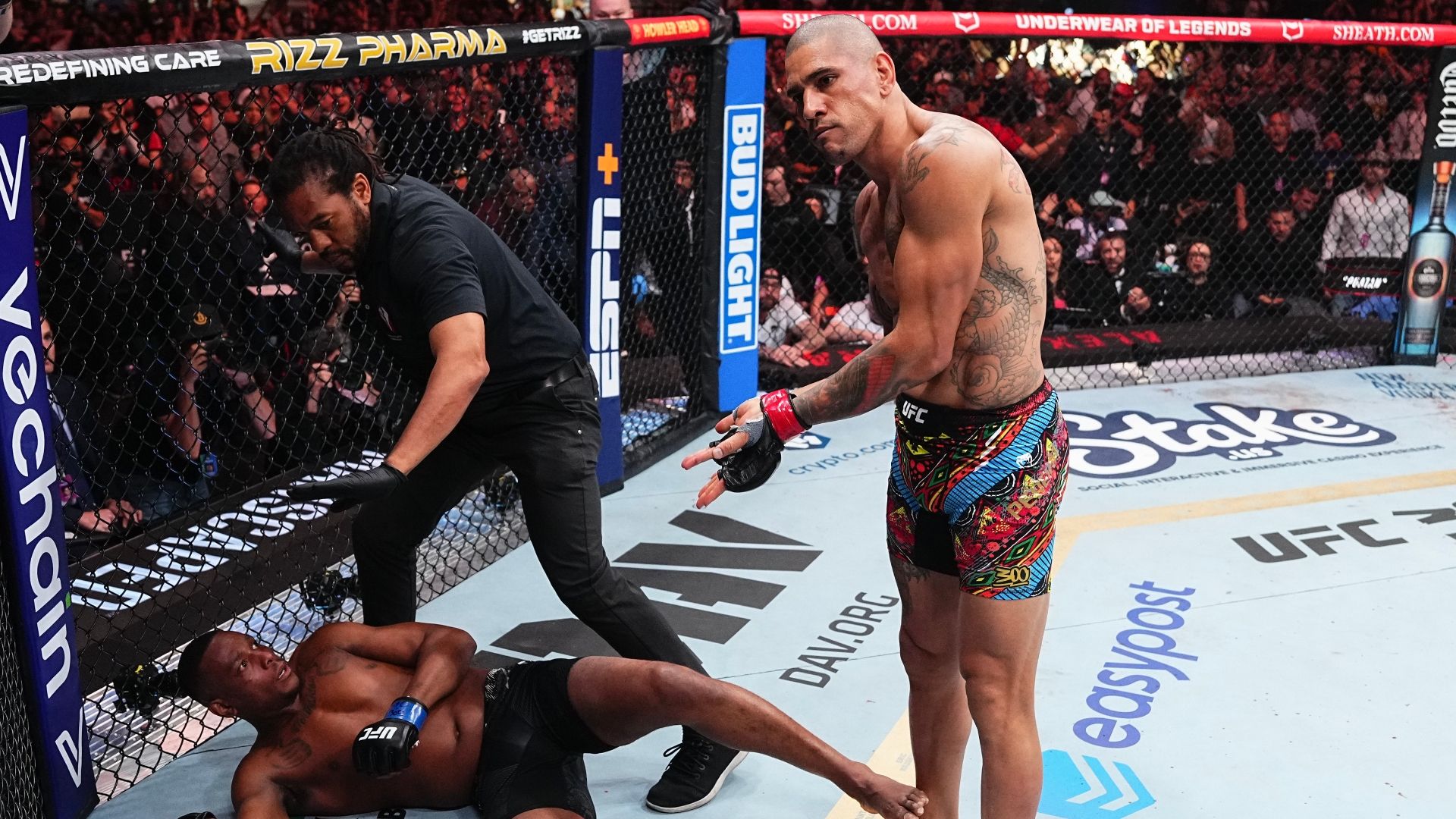
Picture this – you’re watching a UFC fight and suddenly see a fighter completely switch their game plan halfway through. Maybe they started as a striker but immediately shot for takedowns when they realized their opponent had better hands. Or perhaps they baited their rival into throwing a specific combination just to counter with something devastating. That’s not luck, mate – that’s UFC fight IQ in action, and it’s becoming more sophisticated than ever before.
The mental side of mixed martial arts has evolved dramatically over the past decade. Where fighters once relied primarily on physical gifts and basic game plans, today’s elite competitors think several moves ahead, constantly adapting their strategies based on what they’re seeing unfold. They’re like chess masters throwing punches and kicks, and the results speak for themselves in terms of fight quality and tactical depth.
This evolution in fighter intelligence isn’t just interesting to watch – it’s changing how we understand what separates good fighters from great ones. Let’s break down what this tactical revolution looks like and why it matters for anyone serious about understanding modern MMA.
What Does High Fight IQ Actually Mean in Practice
Real fight IQ goes way beyond just knowing techniques. It’s about recognizing patterns and adjusting tactics mid-fight when your original game plan isn’t working. Think about those moments when a fighter realizes they’re losing exchanges and immediately shifts their approach – that’s tactical intelligence at its finest.
How Pattern Recognition Changes Everything
Elite fighters excel at spotting their opponent’s habits and exploiting them. They might notice that every time they fake a certain strike, their opponent drops their guard in a specific way. Or they’ll pick up on timing patterns that let them counter with precision. Research on fight analysis confirms that top-level fighters demonstrate sophisticated pattern recognition abilities, identifying opponent habits and tells to create strategic advantages. This isn’t about memorizing techniques – it’s about reading the fight like a book and writing the next chapter yourself.
The really clever fighters take this further by creating patterns deliberately. They’ll throw the same combination a few times to get their opponent comfortable defending it, then switch up the finish to land something unexpected. Analysis of elite fighters shows how they use feints and predictable actions to disguise intentions and set up unexpected counters. It’s like setting a trap and waiting for the perfect moment to spring it.
Why Mental Bandwidth Matters Under Pressure
Here’s something fascinating – when fighters have trained their basics to the point of instinct, it frees up mental space for strategic thinking. Instead of consciously thinking about how to throw a jab, they can focus on when and why to throw it. Studies in mental performance show that extensive training automates motor skills, reducing cognitive load and freeing working memory for higher-level tactical decisions under pressure. This mental efficiency becomes crucial when you’re getting punched in the face and need to make split-second decisions.
- Automatic responses reduce cognitive load during intense exchanges
- More brain power available for tactical adjustments
- Better ability to stay calm and think clearly under pressure
- Increased capacity to exploit opponent weaknesses as they develop
How Do Modern Fighters Control the Flow of Battle
Smart fighters don’t just react to what happens – they actively shape how the fight unfolds. They understand that controlling elements like distance, pace, and rhythm gives them massive strategic advantages.
What Distance Management Really Achieves
Managing distance isn’t just about staying safe – it’s about creating opportunities. A tactically aware fighter uses footwork and positioning to force their opponent into uncomfortable ranges where their weapons become less effective. Meanwhile, they position themselves where their own tools work best. Analysis from Silva to McGregor demonstrates how distance management allows fighters to neutralize opponent weapons while maximizing their own effectiveness.
Watch how the best fighters use feints and movement to manipulate space. They might step forward aggressively to make their opponent back up, then suddenly change levels for a takedown. Or they’ll create just enough distance to land a clean shot while staying out of counter range.
Why Pace Control Determines Fight Outcomes
Controlling the pace means dictating when the action happens and when it doesn’t. Some fighters excel at pushing a frantic pace that overwhelms opponents, while others slow things down to think and reset. The key is recognizing which pace favors you and imposing it regardless of what your opponent wants, though the evidence is still emerging on how effectively different pacing strategies work in practice.
| Pace Strategy | When to Use | Key Benefits | Potential Risks |
|---|---|---|---|
| High Pressure | Superior cardio, overwhelming style | Breaks opponent mentally, creates openings | Higher energy cost, potential counters |
| Measured Control | Technical advantage, reading opponent | Conserves energy, better timing | May appear inactive, gives opponent time |
| Rhythm Disruption | Opponent relies on timing patterns | Breaks opponent’s flow, creates confusion | Requires excellent timing, can backfire |
The fighters who succeed at the highest level aren't necessarily the most athletic - they're the ones who can think three moves ahead while someone's trying to take their head off.
Which Tactical Adjustments Separate Elite from Good Fighters
The ability to make effective mid-fight adjustments might be the clearest sign of elite fight IQ. Anyone can execute a game plan when everything goes perfectly, but what happens when it doesn’t? That’s where the really smart fighters shine, though experts have different views on whether this truly distinguishes elite performance.
How Successful Fighters Exploit Strengths While Targeting Weaknesses
The most tactically sound approach involves playing to your own strengths while simultaneously attacking your opponent’s weaknesses. A great example is taking strikers down and taking grapplers into striking exchanges – you’re maximizing your advantages while putting your opponent in uncomfortable territory.
But here’s the clever part – elite fighters don’t just stick to obvious strength versus weakness matchups. They create situations where their opponent’s strengths become liabilities. Fighter interviews reveal how they might pressure a counter-striker into leading, or they’ll slow down against someone who relies on explosive bursts.
When Corner Advice Makes the Difference
Sometimes the smartest thing a fighter can do is listen to their corner and implement suggested adjustments. Fresh eyes from outside the cage can spot patterns or opportunities that aren’t obvious to someone in the middle of the action. The fighters who stay coachable under pressure often perform better when things get tough.
Can Fight IQ Be Developed or Is It Natural Talent
There’s an ongoing debate about whether tactical intelligence in fighting is something you’re born with or something you can develop through training and experience. The good news for most of us is that while we don’t yet know for sure, fighter experiences suggest it’s largely learnable.
How Competition Experience Builds Tactical Intelligence
Live fight experience provides lessons you simply can’t get anywhere else. Each time you face real resistance under pressure, you learn something about timing, distance, and decision-making. The fighters who actively analyze their performances and extract lessons tend to develop tactical awareness much faster, although the evidence is still emerging on how competition specifically accelerates this development.
Competition also teaches you to stay calm when plans go wrong. In training, you might get frustrated and reset. In a fight, you have to adapt on the fly. This pressure-cooker environment forces rapid learning and pattern recognition that translates to better tactical choices.
- Regular sparring builds automatic responses and frees mental bandwidth
- Competition experience teaches adaptation under real pressure
- Studying tape helps recognize patterns in yourself and opponents
- Cross-training in different disciplines expands tactical options
- Working with experienced coaches accelerates learning
What Training Methods Actually Improve Fight IQ
Smart training focuses on understanding the why behind techniques, not just mechanical repetition. When you understand the tactical reasoning behind a movement or combination, you’re more likely to use it effectively when opportunities arise. This means asking questions, experimenting with timing and setups, and thinking critically about what you’re practicing, though experts are still learning about which specific methods work best.
Why Some People Question the Fight IQ Concept
Not everyone buys into the idea that “fight IQ” is a meaningful concept. Some argue it’s just fancy terminology for natural talent or athletic instincts that can’t really be broken down or taught systematically.
What Critics Say About Fight Intelligence
The skeptical view suggests that what we call “fight IQ” is often just natural athletic ability, good reflexes, or instinctive reactions that some people possess more than others. From this perspective, trying to analyze tactical intelligence is like trying to measure artistic talent – interesting to discuss but not particularly useful for practical development.
There’s also the argument that many examples of supposed high fight IQ are actually just well-executed basic techniques or lucky timing rather than deep strategic thinking. Sometimes what looks like tactical genius is really just good fundamentals applied consistently.
How to Think About These Different Viewpoints
The truth probably lies somewhere in the middle. While some fighters do seem naturally more tactically aware, the available evidence suggests that systematic training and experience can significantly improve decision-making under pressure. The key is focusing on what’s actually trainable rather than getting caught up in debates about labels.
Whether you call it fight IQ, tactical intelligence, or just good fighting sense, the underlying skills – pattern recognition, adaptability, strategic thinking – can definitely be developed through proper training and competition experience.
What the Research Says About Fight Intelligence
While the concept of “fight IQ” is still being studied, here’s what current evidence tells us about tactical intelligence in combat sports:
- Pattern recognition is measurable: Analysis of elite fighters confirms they demonstrate sophisticated abilities to identify and exploit opponent patterns and habits.
- Mental training works: Visualization, self-regulation, and focus training have been shown to improve performance under pressure in professional fighters.
- Distance control is fundamental: Fighters who master range management consistently neutralize opponent strengths while maximizing their own advantages.
- Areas still being researched: The effectiveness of different pacing strategies and whether mid-fight adjustments truly distinguish elite from good fighters need more study.
- Training methods vary: Not all studies agree on the best approaches for developing tactical awareness, with some evidence suggesting multiple pathways to improvement.
What This Means for Your Training and Development
Understanding how elite fighters think tactically can transform how you approach your own training. Instead of just focusing on technique collection, you can start building the mental skills that separate good martial artists from great ones.
How to Build Pattern Recognition Skills
Start paying attention to cause and effect during your sparring sessions. When you throw a certain strike, how does your partner typically react? When they move in a particular way, what openings does that create? This kind of active observation builds the pattern recognition skills that translate to tactical intelligence.
Video analysis becomes incredibly valuable here. Recording your sparring sessions and watching them back helps you spot patterns you missed in real time. You’ll start noticing your own habits and those of your training partners, which builds the analytical skills needed for fight IQ development.
Why Mindset Training Matters as Much as Physical Preparation
Developing tactical intelligence requires a specific mindset – one that stays curious and analytical even under pressure. This means training yourself to ask “why did that work?” or “what would happen if I tried this instead?” rather than just going through the motions.
- Practice staying calm and thinking clearly during intense exchanges
- Work on recognizing your own patterns and breaking them when needed
- Develop the ability to quickly assess what’s working and what isn’t
- Build confidence in your ability to adapt when plans change
- Learn to use setups and feints to create tactical advantages
Whether you’re training for competition or personal development, focusing on the mental aspects of fighting will make you a more complete martial artist. The physical techniques are important, but it’s the tactical intelligence that turns those techniques into effective tools.
At Extreme MMA, we understand that developing fight IQ is just as important as perfecting techniques. Our experienced coaches help students at all levels build the analytical and tactical skills that separate smart fighters from purely physical ones. With programs designed to challenge both your body and mind, you’ll develop the complete skill set needed for modern martial arts success.
The Evolution Continues
The tactical evolution in UFC and mixed martial arts shows no signs of slowing down. As the sport matures and more athletes bring high-level coaching and analytical approaches to their training, we can expect even more sophisticated strategic battles inside the cage.
For those of us training and learning, this represents an exciting opportunity. The same principles that elite fighters use to gain tactical advantages can be applied at any level of martial arts training. Whether you’re just starting out or have years of experience, developing your analytical and strategic thinking will make you a more effective fighter and a more complete martial artist.
The fighters who succeed in today’s landscape aren’t necessarily the most naturally gifted athletes – they’re the ones who combine physical skills with tactical intelligence and the ability to adapt under pressure. That’s something any dedicated practitioner can develop with the right approach and mindset.
About the Author

Lachlan James
Marketing Coordinator at Extreme MMA
Lachlan James is the Marketing Coordinator at Extreme MMA, responsible for creating engaging content and building the brand’s online presence. With a passion for mixed martial arts and digital marketing, Lachlan combines his knowledge of the sport with strategic marketing expertise to help grow the Extreme MMA community. He works closely with coaches and fighters to share their stories and expertise with both current members and aspiring martial artists.
When he’s not creating content or managing social media campaigns, Lachlan can be found training at the gym, always looking to improve his own skills while gaining deeper insights into what makes Extreme MMA special.
When he's not creating content or managing social media campaigns, Lachlan can be found training at the gym, always looking to improve his own skills while gaining deeper insights into what makes Extreme MMA special.