
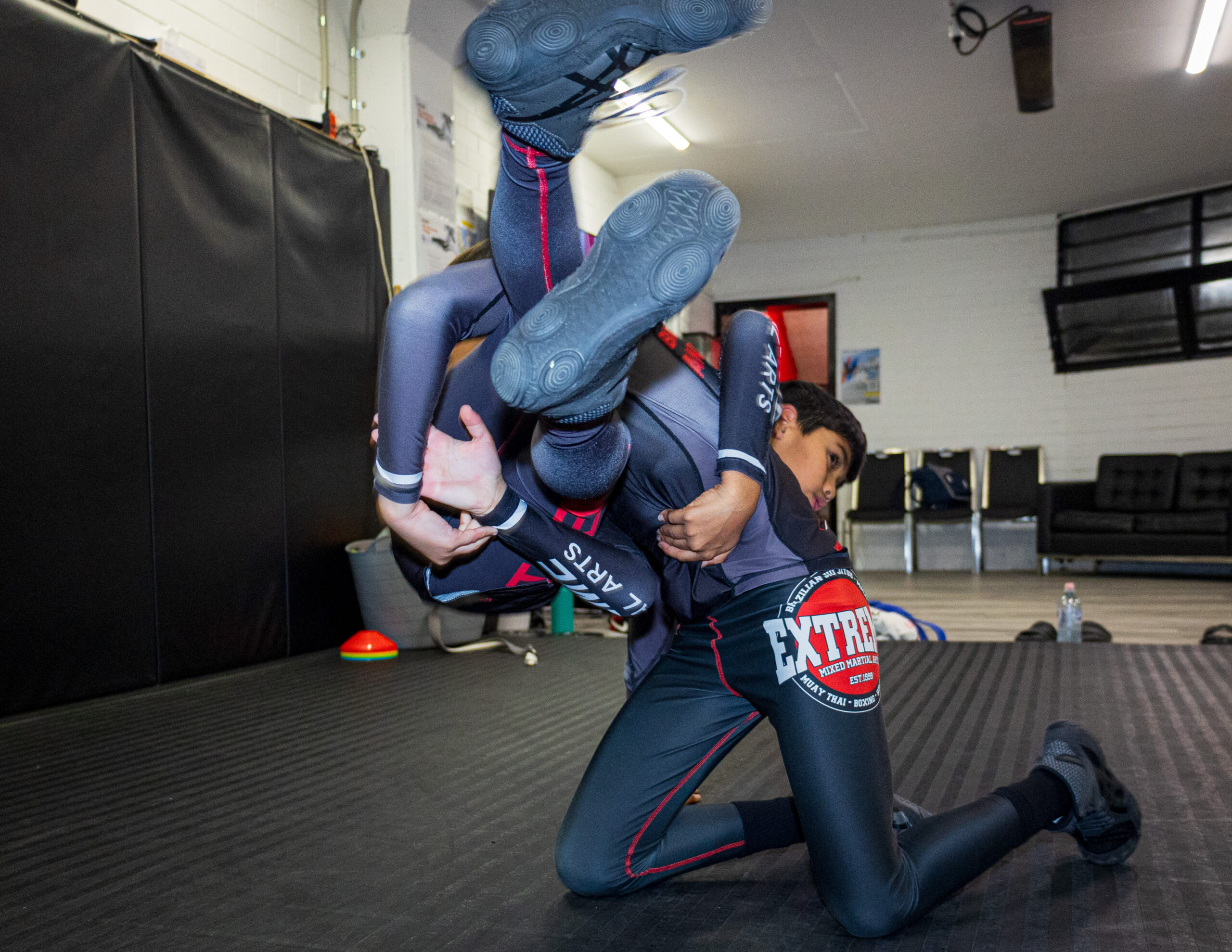
Look, I get it. You’ve been training hard, rolling with some serious grapplers, and maybe your coach keeps pushing you to sign up for that local tournament. But deep down, you’re wondering if you really need to step on those competition mats to reach elite levels in jiu jitsu without competing. The short answer? Absolutely not.
Here’s the thing that might surprise you – some of the most technically gifted grapplers you’ll ever meet have never won a single medal. BJJ experts consistently point out that elite technical proficiency is absolutely achievable through dedicated training with quality partners, without ever stepping into competition. They’re the quiet killers in the gym, the ones who make purple belts feel like white belts and leave visiting black belts scratching their heads. Competition isn’t the only path to greatness in this beautiful art.
But let’s be honest about the whole picture. While you can definitely build incredible skills without ever competing, there are some unique benefits that only competition provides. Think of it like learning to drive in a parking lot versus navigating rush hour traffic – both will teach you valuable skills, but they’ll test different parts of your game.
What Makes Someone Elite Without Competition
Elite non-competitors exist in every serious gym, and they share some common characteristics that might surprise you. These aren’t just hobbyists who got lucky – they’re dedicated practitioners who’ve found alternative paths to excellence.
How Consistent Training Creates Technical Mastery
The gym monsters you’ve heard about didn’t become elite overnight. They typically train with a level of intensity and consistency that would make most competitors jealous. Think about those engineers and IT professionals who show up religiously, analyze techniques like they’re debugging code, and approach every roll with scientific precision.
These practitioners often develop an encyclopedic knowledge of positions and transitions. They know seventeen different ways to attack from side control and can chain submissions together like they’re speaking a different language. Their understanding of leverage and timing becomes so refined that they can dominate training partners who outweigh them by fifty pounds.
What’s fascinating is how they compensate for the lack of competitive pressure. Instead of testing themselves in tournaments, they seek out the toughest training partners possible. They’re the ones asking to roll with visiting black belts, challenging themselves against different body types, and pushing the pace when everyone else is coasting.
Why Some Gym Legends Never Compete
Not everyone is wired for competition, and that’s perfectly fine. Some incredible grapplers simply don’t enjoy the spotlight or the pressure of performing in front of crowds. Others have life circumstances that make weekend tournaments impractical – maybe they’re working parents, healthcare workers with unpredictable schedules, or just prefer to keep their martial arts practice as a personal journey.
There’s also the personality factor. Some of the most thoughtful, analytical grapplers prefer the laboratory environment of the training room where they can experiment, make mistakes, and refine techniques without the binary win-loss outcome of competition.
How Competition Accelerates Skill Development
Now, before you decide competition is unnecessary, let’s talk about what you might be missing. Competition isn’t just about trophies and Instagram posts – it’s a unique testing ground that exposes weaknesses in ways that regular training simply can’t.
What Competition Pressure Reveals About Your Game
Here’s where things get interesting. That slick guard game that works perfectly in the gym? It might crumble when someone’s really trying to shut it down with bad intentions. Competition creates unique psychological benefits like enhanced focus and mental strength that regular training often cannot replicate.
The adrenaline dump is real, and learning to manage it is a skill in itself. Research shows that BJJ competition intensity significantly decreases performance in fine motor skills like grip strength due to fatigue and stress. Many gym heroes discover that their technique breaks down when their heart rate spikes and their fine motor skills disappear. Competition teaches you to function when your body is in fight-or-flight mode, which has applications far beyond the mats.
Competition also reveals timing issues that might not surface in friendly rolls. Training centers consistently report that competitions expose weaknesses and timing problems not apparent in gym rolling due to increased pressure and unfamiliar opponents. When someone is really trying to shut down your favorite techniques, you learn the subtle differences between setting up moves against a relaxed opponent versus someone who’s actively defending and countering.
| Training Environment | Competition Environment | Key Differences |
|---|---|---|
| Familiar training partners | Unknown opponents | Must adapt to unfamiliar styles quickly |
| Cooperative learning atmosphere | Maximum resistance | Tests techniques under full opposition |
| Multiple rounds throughout class | Single elimination pressure | No room for warm-up rounds or mistakes |
| Reset when caught in bad positions | Must fight through disadvantage | Develops problem-solving under pressure |
Why Mental Resilience Separates Elite Practitioners
Competition isn’t just a physical test – it’s a mental one. Some incredibly skilled grapplers simply can’t transfer their abilities when the lights are bright and the stakes feel higher. They might dominate in the gym but freeze up when it counts, not because they lack technique, but because they haven’t developed the mental tools to perform under pressure.
On the flip side, some competitors with decent but not spectacular technique consistently outperform more skilled opponents because they’ve learned to stay calm and execute their game plan when it matters. This mental resilience develops through exposure to high-stakes situations and has applications way beyond jiu jitsu – it’s a life skill that competition uniquely develops.
The mat teaches you to stay calm when everything around you is chaos. Competition amplifies that lesson in ways that regular training simply cannot replicate.
What Are The Limitations Of Training Only In One Gym
Here’s something that might sting a little, but it needs to be said. Sometimes those gym monsters are really just experts at beating the people they train with every day. They’ve figured out their training partners’ games so well that they can shut down their techniques before they even start developing.
How Familiarity Can Create False Confidence
Think about it like this – if you play chess against the same three people for years, you’ll get really good at beating those specific players. But put you against someone with a completely different style, and you might struggle with patterns and strategies you’ve never encountered.
The same thing happens in jiu jitsu. Training primarily with familiar partners can foster overfamiliarity and false confidence by avoiding diverse challenges. You might have developed the perfect counter to your training partner’s favorite guard pass, but what happens when you face someone who attacks that position in a completely different way? Competition exposes you to a much wider range of styles and approaches than any single gym can provide.
This doesn’t mean your gym skills are fake or worthless – they’re absolutely real. It just means they might be more specialized than you realize. Some elite non-competitors discover this when they visit other gyms or attend seminars, finding that techniques that never worked in their home gym suddenly become effective against different body types and styles.
When Gym Success Doesn’t Translate
There are stories of gym legends who ventured into competition only to be humbled by opponents with less impressive reputations. This isn’t because they weren’t skilled – it’s because they had optimized their games for specific conditions that don’t always exist in competition.
Maybe they relied heavily on techniques that work best against familiar opponents, or perhaps they had developed defensive habits based on the particular pressure and timing of their regular training partners. When faced with different styles and intensities, some adjustments are needed.
How Do You Define Elite Without Competition Results
This brings us to the million-dollar question – how do you even know if you’re elite without the external validation of competition results? It’s a fair question, and honestly, there’s no perfect answer.
What Metrics Matter For Non-Competitive Excellence
Elite non-competitors often measure their progress differently. They might focus on technical mastery, the ability to control and submit a wide range of training partners, or the respect they earn from coaches and teammates. Some measure their growth by how visiting high-level practitioners perform against them.
There’s also the teaching test – many elite non-competitors become excellent instructors because their deep understanding of technique translates well to helping others improve. If you can break down complex movements and help struggling students have breakthrough moments, that’s a different kind of elite status.
- Consistent dominance over training partners across weight and skill ranges
- Recognition and respect from high-level instructors and visiting practitioners
- Ability to teach and break down techniques for others effectively
- Technical knowledge that impresses coaches and advanced students
- Capacity to adapt and problem-solve against different styles and body types
Why External Validation Sometimes Matters
Let’s be real though – sometimes you want to know how you stack up against a broader field. Competition provides a standardized measuring stick that’s hard to replicate in the gym environment. It’s not about ego or bragging rights (well, maybe a little), but about getting honest feedback on your progress.
Think of competition as a reality check. It’s like having your technique reviewed by someone who doesn’t care about your feelings and has no reason to go easy on you. That kind of honest feedback can be invaluable for identifying blind spots in your game.
What Training Approaches Work Best For Non-Competitors
If you’ve decided that elite jiu jitsu without competing is your path, let’s talk about maximizing your development outside the tournament circuit. The key is creating training conditions that challenge you in ways that simulate some of the benefits of competition.
How To Create Competition-Like Intensity In Training
First, actively seek out tough training partners. Don’t just roll with people at your level – specifically target those purple and brown belts who make you work for every position. Ask visiting practitioners to roll, and don’t be afraid to travel to other gyms for open mats.
Implement specific training goals that create pressure, like competition-style rolling and drilling under pressure. Instead of just flowing through rounds, set objectives like “I will not let anyone pass my guard today” or “I will only work from bottom position this week.” These artificial constraints force you to develop skills under pressure.
Cross-training at different gyms exposes you to various styles and approaches. What works perfectly at your home gym might get shut down elsewhere, and that’s exactly the kind of reality check you need for continued growth.
Which Skills To Focus On Without Competition
Since you won’t be testing your skills in competition, focus on developing a well-rounded game that works against different body types and styles. Avoid becoming too specialized in techniques that only work against familiar opponents.
Emphasize fundamentals over flashy techniques. Elite non-competitors often have incredibly solid basics like guard retention and pressure passing because these fundamental skills transfer better across different training environments than fancy techniques that require specific setups. Their hip escapes are crisp, their guard retention is bulletproof, and their pressure passing is suffocating.
Develop strong problem-solving skills by deliberately putting yourself in bad positions during training. If you always play your A-game, you’ll never develop the scrambling and recovery skills that separate good grapplers from great ones.
When Should You Consider Competing
Even if your primary goal isn’t competitive success, there are times when dipping your toes into competition can accelerate your development significantly. It’s not an all-or-nothing decision – you can compete strategically to enhance your training.
What Signs Indicate You Might Benefit From Competition
If you notice that your improvement has plateaued despite consistent training, competition might provide the shock to your system that jumpstarts growth again. Sometimes we get too comfortable in our training routines, and the pressure of competition forces us out of that comfort zone.
Pay attention to how you handle pressure in training. If you notice your technique breaking down when intensity increases, or if you struggle with performance anxiety even in high-level training sessions, competition can help you develop better stress management skills.
Consider competing if you’re curious about how your skills translate outside your gym environment. Sometimes the only way to answer that question definitively is to test yourself against unfamiliar opponents with different games and pressures.
How To Approach Competition As A Learning Tool
If you decide to compete, approach it as a learning opportunity rather than a validation of your skills. Set process goals rather than outcome goals – focus on executing your game plan, staying calm under pressure, or successfully implementing specific techniques.
Start small with local tournaments or in-house competitions. You don’t need to jump into major events – sometimes a small, friendly competition provides enough pressure to give you valuable feedback without overwhelming stress.
What the research says about building elite BJJ skills
The evidence on developing elite jiu jitsu skills outside of competition is quite encouraging for dedicated practitioners:
- Multiple BJJ experts confirm that elite technical proficiency is achievable through consistent training with quality partners, citing examples like renowned coach John Danaher who never competed but developed world-class expertise
- Competition does provide unique psychological benefits like enhanced focus and mental resilience that are harder to develop in regular training environments
- Studies show that competition pressure significantly affects fine motor skills and technique execution due to stress and adrenaline responses
- Training primarily with familiar partners can create false confidence, though the evidence on this is still emerging as different practitioners adapt differently to varied training environments
- Fundamental skills like guard retention and pressure passing transfer more reliably across different training scenarios compared to advanced, situation-specific techniques
- Cross-training and varied partner exposure helps prevent over-specialization, though experts have different views on how much variety is optimal for skill development
How Extreme MMA Supports Both Competitive And Non-Competitive Paths
Whether you’re planning to compete or building your skills purely for personal development, having the right training environment makes all the difference. A quality gym provides challenging training partners, expert instruction, and an atmosphere that pushes you toward excellence regardless of your competitive aspirations.
The best training environments recognize that not every student has the same goals. Some want to test themselves in competition, others are training for self-defense, and many are simply pursuing personal growth and fitness. Each path requires slightly different approaches, but all benefit from high-quality instruction and dedicated training partners.
What matters most is finding coaches who understand your goals and can help you structure your training accordingly. Whether you’re aiming for tournament gold or just want to become the best grappler you can be, expert guidance accelerates your progress significantly.
For those serious about reaching elite levels, having access to high-level training partners and experienced coaches becomes even more critical. You need people who can push your limits and expose weaknesses in your game, regardless of whether you plan to compete.
Ready to start building elite jiu jitsu skills in a supportive environment that respects your individual goals? Whether you’re interested in competition or focused purely on personal development, expert coaching and quality training partners make all the difference in your growth trajectory.
[extreme_mma_cta]
Your Path Forward In Jiu Jitsu Excellence
Here’s the bottom line – elite jiu jitsu without competing is absolutely achievable, but it requires intentional effort to create the challenges and feedback that competition naturally provides. You’ll need to seek out tough training partners, expose yourself to different styles, and constantly push outside your comfort zone.
Competition offers unique benefits in terms of pressure testing and accelerated feedback, but it’s not the only path to greatness. Some of the most technically skilled and knowledgeable practitioners you’ll ever meet have built their expertise entirely through dedicated training and study.
The key is being honest about your goals and structuring your training accordingly. If you want to become elite without competing, that’s a valid path – just make sure you’re creating training conditions that challenge you in ways that develop well-rounded skills.
Remember, jiu jitsu is a personal journey. Whether you choose to compete or focus purely on training excellence, what matters most is consistent improvement and enjoying the process. Both paths can lead to incredible skill development and personal growth – the choice is yours to make.
About the Author

Lachlan James
Marketing Coordinator at Extreme MMA
Lachlan James is the Marketing Coordinator at Extreme MMA, responsible for creating engaging content and building the brand’s online presence. With a passion for mixed martial arts and digital marketing, Lachlan combines his knowledge of the sport with strategic marketing expertise to help grow the Extreme MMA community. He works closely with coaches and fighters to share their stories and expertise with both current members and aspiring martial artists.
When he’s not creating content or managing social media campaigns, Lachlan can be found training at the gym, always looking to improve his own skills while gaining deeper insights into what makes Extreme MMA special.
When he's not creating content or managing social media campaigns, Lachlan can be found training at the gym, always looking to improve his own skills while gaining deeper insights into what makes Extreme MMA special.