
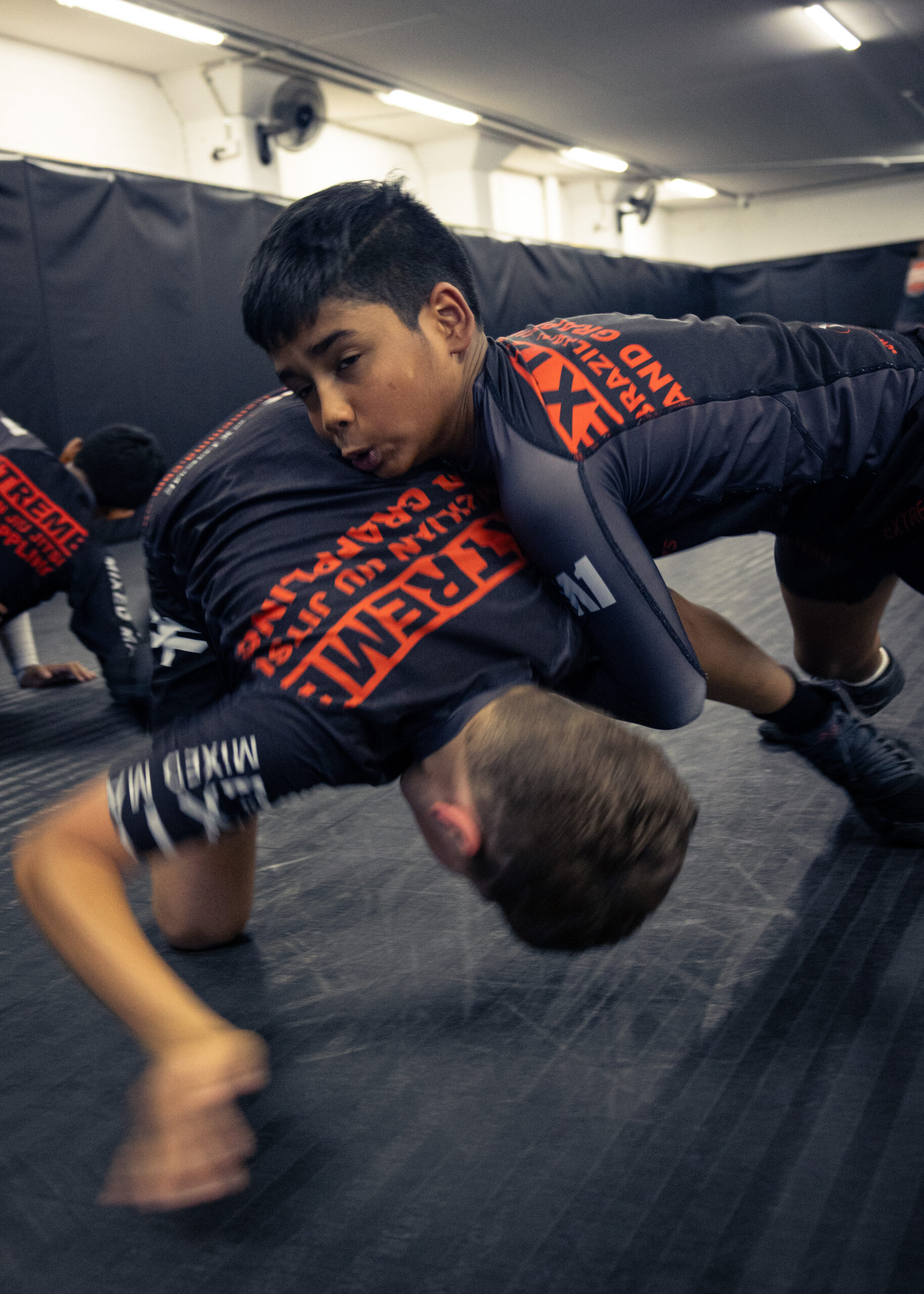
Ever wondered if all those hours spent perfecting your jab or working on your ground game actually make you sharper outside the gym? You’re not imagining things if you feel more focused at work or find yourself staying calmer in stressful situations after starting martial arts training.
The mental benefits of MMA training go far beyond learning how to throw a decent punch or escape a submission hold. What happens inside those four walls of the training area creates real changes in how your brain processes stress, makes decisions, and handles daily challenges. It’s like upgrading your mental operating system, except instead of a software download, you’re doing it through sweat, technique practice, and probably a fair bit of getting your ego checked on the mats.
Let’s dig into exactly how martial arts training rewires your brain for better focus and decision-making in everyday life. We’ll cover what actually changes in your head, how long it takes to see these benefits, and why some people experience more dramatic shifts than others.
How Does MMA Training Change Your Brain for Better Decision-Making
The connection between martial arts and improved mental function isn’t just gym folklore. Research suggests that training consistently creates measurable changes in how your brain handles stress, processes information, and makes split-second decisions, though the evidence is still emerging about the exact mechanisms involved.
What Happens During High-Stress Training Sessions
When you’re sparring or rolling and someone’s trying to choke you out, your brain learns to stay calm under pressure in ways that transfer directly to real life. This isn’t about becoming emotionally numb but rather developing what practitioners often describe as “emotional grounding.”
Many experienced martial artists report feeling less reactive in situations that used to trigger strong emotional responses. Road rage becomes less common. Difficult conversations at work feel more manageable. Even job interviews become less nerve-wracking because you’ve trained your nervous system to function while under pressure.
The breathing techniques and mindfulness aspects built into martial arts training act like a natural stress management system. Research shows that deep breathing during technique practice teaches your body to activate its parasympathetic nervous system more easily, which is your natural “calm down” mechanism.
Why Strategic Thinking Improves Through Combat Sports
MMA forces you to think several moves ahead while someone is actively trying to disrupt your plans. This constant strategic adjustment builds what researchers call “cognitive flexibility” – your ability to switch between different mental frameworks quickly, though experts have different views on exactly how this develops in high-impact sports like MMA.
In Brazilian Jiu-Jitsu, for example, you’re constantly solving physical puzzles under time pressure. Your opponent counters your submission attempt, so you immediately flow to a different attack. This type of rapid problem-solving strengthens the same mental muscles you use for workplace decisions or handling unexpected life challenges.
The beautiful thing about martial arts is that every training session is basically decision-making practice under pressure. Your brain gets really good at staying clear-headed when things don't go according to plan.
What Emotional and Social Benefits Can You Expect
Beyond the obvious physical improvements, martial arts training creates some surprising changes in how you interact with the world emotionally and socially.
How Training Builds Emotional Control
One of the most consistent benefits people experience is improved emotional regulation, though not all studies agree on how universal this improvement is across different martial arts styles and individual practitioners.
Training teaches you to separate immediate emotional reactions from thoughtful responses. When someone cuts you off in traffic or a coworker sends a passive-aggressive email, you’re more likely to pause before reacting. This isn’t about suppressing emotions but rather choosing when and how to express them.
- Reduced overreaction to daily frustrations and setbacks
- Better ability to stay calm during conflicts or difficult conversations
- Less susceptibility to other people’s bad moods or negative energy
- Improved patience with processes that used to feel overwhelming
Why Community Connection Matters for Mental Health
The social aspect of martial arts training provides benefits that often surprise people. Unlike typical gym workouts, martial arts involves working closely with training partners who are literally trusting you not to hurt them.
This shared vulnerability creates strong bonds relatively quickly. You end up with a community of people who understand the challenges of learning new skills, dealing with frustration, and pushing through physical and mental barriers. Studies suggest that these social connections in combat sports contribute to enhanced well-being and mental health, though the evidence is still emerging on exactly how these social bonds form and their long-term benefits.
The regular social interaction, combined with shared goals and mutual respect, provides a reliable source of positive social connection that supports overall mental well-being.
Which Physical Changes Support Mental Benefits
The mental benefits of martial arts training are closely connected to physical improvements that extend well beyond what you might expect from typical fitness activities.
How Balance and Coordination Affect Daily Confidence
Improved balance and coordination from martial arts training creates a subtle but significant boost in daily confidence. When your body moves more efficiently and you trust your physical reactions, you naturally feel more capable in various situations.
Many practitioners report avoiding injuries from simple slips or stumbles that might have hurt them before training. Better footwork, improved spatial awareness, and faster reflexes all contribute to feeling more secure and confident in your body.
| Physical Improvement | Mental Benefit | Daily Life Application |
|---|---|---|
| Better balance and reflexes | Increased confidence in movement | Less anxiety about physical activities or uneven terrain |
| Improved coordination | Enhanced body awareness | Better posture and more confident body language |
| Increased flexibility | Reduced physical tension | Less stress-related muscle tightness and pain |
| Cardiovascular fitness | Improved mood regulation | More consistent energy levels throughout the day |
What Role Does Endorphin Release Play
The neurochemical changes from regular martial arts training create lasting improvements in mood and mental clarity. Evidence shows that intense physical training triggers endorphin release, which research consistently links to mood enhancement and improved mental function.
Regular training appears to help stabilise mood over time. People often notice that they feel more mentally resilient and emotionally stable when they’re training consistently, and they experience noticeable mood drops during breaks from training.
What Realistic Timeline Should You Expect for Mental Changes
Understanding when and how these mental benefits develop helps set realistic expectations and keeps you motivated during the inevitable challenging periods of learning martial arts.
How Soon Do Most People Notice Cognitive Improvements
The timeline for experiencing mental benefits varies significantly between individuals, but there are some general patterns worth understanding. Most people begin noticing subtle changes within the first few months of consistent training.
Early changes often include better sleep quality, improved stress tolerance during training, and slightly better emotional regulation immediately after training sessions. These benefits typically become more consistent and noticeable outside the gym after three to six months of regular practice, though we don’t yet know for sure exactly why the timeline varies so much between individuals.
- First month – Better sleep and immediate post-training mood improvements
- 2-3 months – Increased patience during training and improved stress tolerance
- 3-6 months – Noticeable emotional regulation improvements in daily situations
- 6+ months – Consistent changes in decision-making patterns and conflict resolution
Which Factors Influence How Quickly Benefits Develop
Several factors affect how quickly and dramatically you’ll experience the mental benefits of martial arts training. Understanding these can help you optimise your approach and set appropriate expectations.
Training frequency matters more than training intensity for cognitive benefits. Studies have found that two to three sessions per week typically produces better mental health outcomes than one intense weekly session followed by long breaks.
Age and previous experience with meditation, yoga, or other mindfulness practices can accelerate the development of emotional regulation benefits. People who already have some body awareness or stress management skills often notice changes more quickly.
Which Types of Mental Changes Are Most Common
While individual experiences vary, certain mental and emotional improvements appear consistently across different martial arts disciplines and training approaches.
How Does Self-Confidence Change Through Training
The confidence changes from martial arts training often surprise people because they’re different from typical fitness-related confidence boosts. Rather than being primarily about physical appearance, the confidence tends to be more about capability and mental resilience.
Many practitioners report caring less about others’ opinions and feeling less compelled to compare themselves to others. This internal confidence shift often develops alongside physical skills but seems to be more about proving to yourself that you can learn difficult things and handle uncomfortable situations.
The confidence is particularly noticeable in social situations and conflict resolution. Knowing that you can physically defend yourself if absolutely necessary often translates to feeling more relaxed and less defensive in verbal disagreements or tense social situations.
What Changes Occur in Stress Response and Recovery
Regular martial arts training appears to recalibrate your stress response system in helpful ways. Professional guidelines suggest that many practitioners find situations that used to feel overwhelming become more manageable, and they recover from stressful events more quickly.
This improved stress tolerance shows up in various ways. Work deadlines feel less catastrophic. Family conflicts feel more navigable. Even positive stress, like public speaking or job interviews, becomes less overwhelming because your nervous system has practice functioning under pressure.
The recovery aspect is equally important. People often notice that they bounce back from difficult days, arguments, or setbacks more quickly than before they started training.
What the evidence shows about MMA training and mental benefits
While the mental health benefits of martial arts training are widely reported by practitioners, it’s worth understanding what current research actually tells us:
- Multiple studies confirm that consistent training improves cardiovascular fitness and triggers beneficial neurochemical changes, including endorphin release that supports mood regulation
- Evidence consistently shows that breathing techniques and mindfulness practices in martial arts help activate the body’s natural stress-relief systems
- Research indicates that training 2-3 times weekly produces better psychological outcomes than sporadic intense sessions
- The evidence is still emerging on exactly how cognitive improvements develop, with some studies showing benefits while others highlight potential concerns about repetitive head impacts in certain training contexts
- Social connections formed through training appear to contribute to mental health benefits, though experts have different views on the mechanisms involved
What Should You Know About Individual Variations
Not everyone experiences the mental benefits of martial arts training in the same way or timeline, and that’s completely normal. Understanding the range of possible experiences can help set realistic expectations.
Why Some People Experience Dramatic Changes
A smaller percentage of practitioners report more dramatic mental health improvements, including significant mood stabilisation and major shifts in life perspective. These experiences often occur in people who were dealing with high levels of chronic stress, anxiety, or depression before starting training.
Some individuals describe profound changes in their relationship with fear, pain tolerance, and even existential concerns. While these experiences are meaningful for the people who have them, they represent the more dramatic end of the spectrum rather than typical outcomes.
People with previous trauma or those using martial arts as part of broader mental health management may experience particularly noticeable benefits, though it’s important to view training as complementary to, not a replacement for, professional mental health support when needed.
What About the Less Glamorous Realities
Alongside the genuine mental health benefits, martial arts training comes with some practical realities that are worth acknowledging. The time commitment required for meaningful progress can be challenging to maintain alongside work and family responsibilities.
Physical demands like constant laundry, equipment costs, and occasional minor injuries are part of the territory. Some people find the competitive aspects stressful rather than beneficial, particularly if they’re naturally prone to comparison or perfectionism.
There’s also an adjustment period where you might feel temporarily more aware of physical vulnerability or more sensitive to conflict, which usually settles as you gain experience and confidence.
How Can You Maximise the Mental Benefits
While the cognitive and emotional benefits of martial arts training develop naturally through consistent practice, there are ways to enhance and accelerate these improvements.
Which Training Approaches Support Cognitive Development
Certain aspects of martial arts training are particularly effective for developing focus and decision-making skills. Technical drilling that requires precise timing and coordination builds concentration in ways that transfer well to other activities.
Sparring and rolling provide unique opportunities to practice decision-making under pressure, but it’s important to approach these activities with the right mindset. Viewing them as problem-solving exercises rather than competitions helps maximise the cognitive benefits while reducing stress.
The mindfulness components of martial arts, such as breathing awareness during technique practice and present-moment focus during training, can be intentionally emphasised to enhance mental health benefits.
What Mindset Supports Long-Term Development
Approaching martial arts training with a growth mindset rather than a performance mindset tends to produce better mental health outcomes. Industry standards suggest this means focusing on improvement and learning rather than comparing yourself to others or achieving specific milestones quickly, though the evidence is still emerging on exactly how different mindsets affect training outcomes.
Regular self-reflection about how training affects your daily life can help you notice and reinforce positive changes. Many people find it helpful to occasionally check in with themselves about their stress levels, emotional regulation, and confidence compared to before they started training.
Embracing the community aspects of martial arts rather than treating it as purely individual exercise enhances the social and emotional benefits. Building relationships with training partners and participating in gym culture contributes significantly to the mental health improvements.
Ready to experience these mental benefits firsthand? Here’s how Extreme MMA can support your journey toward improved focus and decision-making through martial arts training.
What Are Your Next Steps Toward Better Focus Through Training
The mental benefits of MMA training develop gradually through consistent practice, but the improvements in focus, emotional regulation, and decision-making can be genuinely life-changing for many people.
Remember that everyone’s timeline and experience will be different. Some people notice subtle changes within weeks, while others need several months of regular training to experience significant cognitive improvements. The key is consistency and patience with the process.
If you’re dealing with significant stress, anxiety, or other mental health challenges, martial arts training can be a valuable addition to your overall wellness strategy. However, it’s important to view it as complementary to, rather than a replacement for, professional mental health support when needed.
The combination of physical challenge, strategic thinking, stress management, and community connection that martial arts provides creates a unique environment for developing mental resilience and cognitive flexibility. Whether you’re looking to improve your performance at work, handle family stress more effectively, or simply feel more confident and focused in daily life, consistent martial arts training offers genuine benefits that extend far beyond the gym.
Your brain is remarkably adaptable, and the skills you develop through martial arts training – staying calm under pressure, making quick decisions, and maintaining focus despite distractions – are exactly the capabilities that serve you well in almost every area of life. The question isn’t whether these benefits are real, but whether you’re ready to put in the consistent effort required to experience them yourself.
About the Author

Lachlan James
Marketing Coordinator at Extreme MMA
Lachlan James is the Marketing Coordinator at Extreme MMA, responsible for creating engaging content and building the brand’s online presence. With a passion for mixed martial arts and digital marketing, Lachlan combines his knowledge of the sport with strategic marketing expertise to help grow the Extreme MMA community. He works closely with coaches and fighters to share their stories and expertise with both current members and aspiring martial artists.
When he’s not creating content or managing social media campaigns, Lachlan can be found training at the gym, always looking to improve his own skills while gaining deeper insights into what makes Extreme MMA special.
When he's not creating content or managing social media campaigns, Lachlan can be found training at the gym, always looking to improve his own skills while gaining deeper insights into what makes Extreme MMA special.