
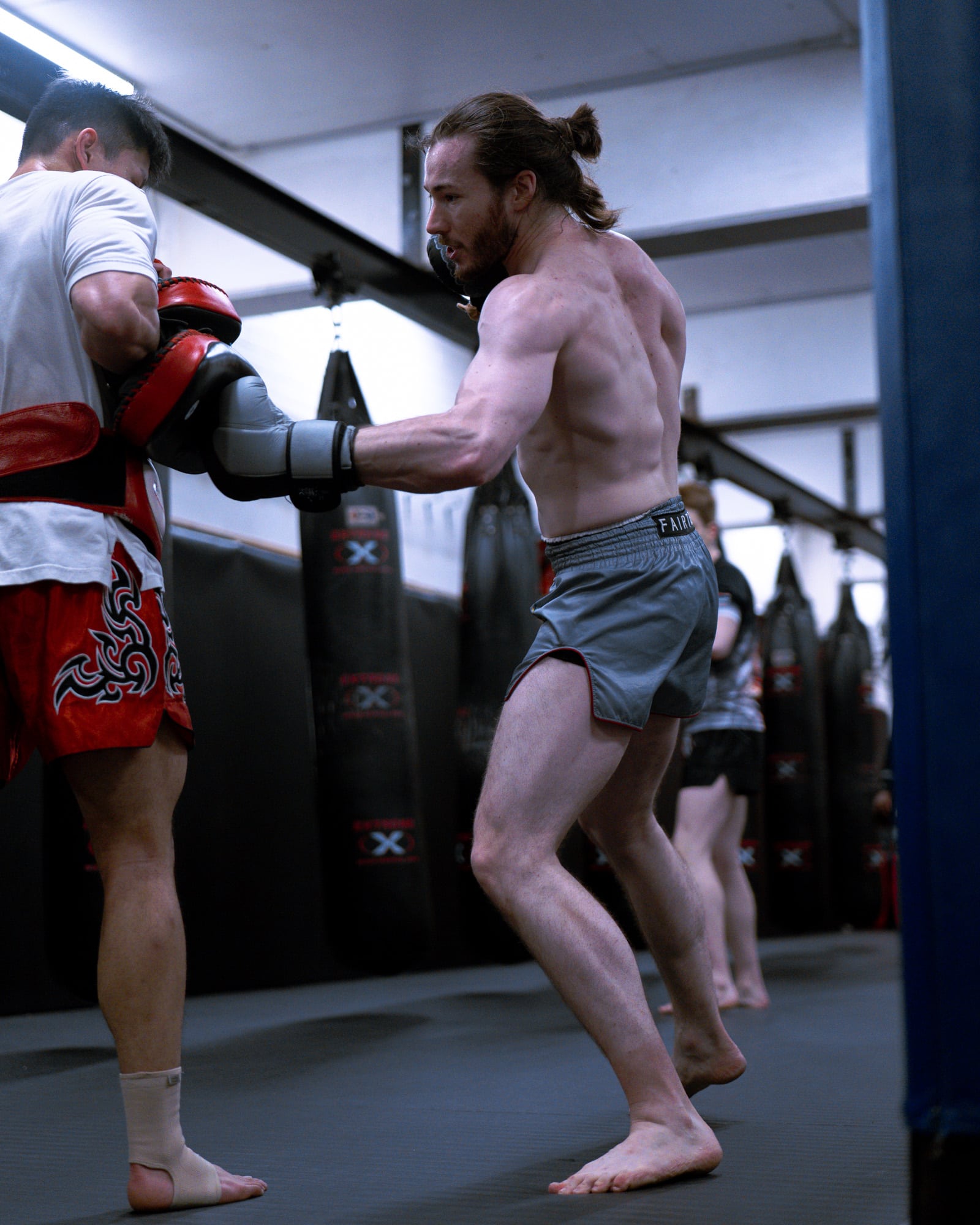
So you’re wondering how the top fighters stay sharp when they’re not grinding through an intense fight camp? Smart question! The truth is, what elite MMA athletes do between camps can make or break their next performance. It’s not about going full throttle all year round – that’s a recipe for burnout and injury.
MMA off camp training is the art of staying fight-ready without destroying your body or mind. Think of it as the difference between sprinting a marathon and pacing yourself for the long haul. Elite fighters know that the months between camps are golden opportunities to build the foundation that makes those brutal 8-12 week fight camps actually survivable. Research into periodized training shows that fighters who use structured off-camp phases see better long-term performance outcomes.
The best fighters treat their off-camp time like a master craftsman sharpening their tools. They’re not just maintaining – they’re strategically improving specific areas while giving their bodies the recovery they desperately need after months of punishment.
What Makes Off-Camp Training Different From Fight Preparation
Here’s the thing about elite training that most people miss – it’s not always about maximum intensity. When fighters are outside of camp, they flip the script entirely. Instead of peak performance and competition simulation, they focus on building the systems that will support peak performance later.
Why Recovery and Foundation Building Matter More Than Peak Intensity
Your nervous system needs a break, plain and simple. After 2-3 months of high-stress training, sparring, and competition prep, even the toughest fighters are running on fumes. Studies on periodization confirm that prolonged high-intensity training accumulates fatigue requiring structured recovery cycles to prevent overtraining. Smart athletes know that pushing through this fatigue just leads to diminishing returns and increased injury risk.
The magic happens when you step back from the edge. Elite fighters use off-camp periods to address the little nagging issues that get ignored during fight prep. That tight hip from all the wrestling? Now’s the time to fix it. Those technical details in your striking that you never had time to drill properly? Perfect off-camp project.
The fighters who last longest in this sport understand that backing off the gas pedal isn't weakness - it's strategy. You can't drive at redline forever without blowing the engine.
How Elite Athletes Approach Volume Versus Intensity
Picture this scenario – instead of three brutal sparring sessions per week, an elite fighter might do one light technical session and spend the rest of their time on conditioning and skill work. They’re trading peak intensity for consistent volume, which builds a different kind of fitness. Professional trainers recommend reducing hard sparring during off-camp and emphasizing technical development with lower-intensity sessions.
This approach serves multiple purposes. First, it maintains muscle memory and movement patterns without the wear and tear of full contact. Second, it allows fighters to experiment with new techniques when the pressure is off. You’re not going to try that fancy submission setup when you’re 6 weeks out from a fight, but in the off-season? Perfect time to add new weapons to your arsenal.
How Do Elite Fighters Build Cardiovascular Endurance During Off-Periods
If there’s one thing that separates elite fighters from everyone else, it’s their cardio game. And here’s a secret – the best conditioning work often happens when they’re not in fight camp. Why? Because they can focus purely on building aerobic capacity without worrying about peaking for a specific date. Sports science research shows that base-building phases emphasize aerobic capacity through steady-state work rather than anaerobic peaking.
What Types of Running and Cardio Work Do Fighters Prioritize
Elite fighters treat running like a Swiss Army knife – they use different types for different purposes. You’ll see them mixing steady-state runs with hill sprints, tempo work with recovery jogs. The key is variety and consistency rather than just grinding out the same 5-mile run every day.
- Long steady runs build aerobic base and mental toughness
- Hill sprints develop explosive power and lactate tolerance
- Tempo runs improve race pace and pacing awareness
- Recovery jogs promote blood flow and active recovery
- Sprint intervals boost anaerobic capacity for those final round surges
The smart fighters also incorporate other cardio modalities. Cycling gives them a break from the pounding on their joints while still building leg strength. Swimming works the entire body with zero impact. Some even use rowing machines to develop pulling power that translates directly to grappling.
Why Building Aerobic Base Matters More Than Peak Power
Here’s where a lot of fighters get it wrong – they think cardio means suffering through high-intensity intervals until they puke. Elite fighters know better. During off-camp periods, they spend most of their cardio time in what feels like an almost easy zone. Training professionals suggest working at RPE 5-6 where you can talk but not have extended conversations – though the evidence on exact percentages is still emerging. You should be able to hold a conversation during most of your cardio work.
This isn’t because elite fighters are soft. It’s because they understand energy systems. That aerobic base is what allows them to recover between rounds, clear lactate during brief breaks in action, and maintain technique when everyone else is falling apart. Think of it as building a bigger engine rather than just redlining the one you have.
| Training Phase | Aerobic Focus | Anaerobic Focus | Recovery Emphasis |
|---|---|---|---|
| Off-Camp (6-12 weeks) | 80-85% | 10-15% | High |
| Early Camp (4-6 weeks) | 60-70% | 25-35% | Moderate |
| Fight Prep (2-4 weeks) | 40-50% | 45-55% | Low |
What Technical Skills Do Elite Fighters Focus on Between Camps
This is where the magic really happens. When the pressure of an upcoming fight isn’t breathing down their necks, elite fighters can actually focus on becoming better martial artists rather than just surviving training camp.
How Shadowboxing and Solo Drills Improve Fight Performance
You might think shadowboxing is just warming up, but elite fighters treat it like a masterclass. When done correctly – slowly, deliberately, with perfect form – shadowboxing is where fighters reprogram their movement patterns and fix bad habits that develop under stress.
The key is quality over quantity. Instead of throwing 1000 sloppy punches, elite fighters throw 100 perfect ones. They’ll spend 20 minutes working on one specific combination, making sure every angle is right, every transition is smooth, every defensive movement is crisp.
- Mirror work for checking form and identifying bad habits
- Slow-motion drilling for perfect technique
- Footwork patterns without strikes to isolate movement
- Visualization combined with physical movement
- Video review of shadowboxing sessions
Why Bag Work and Pad Sessions Matter During Off-Time
Heavy bag work during off-camp serves a completely different purpose than during fight prep. Instead of building power and conditioning, it’s about precision and timing. Elite fighters use lighter bags that give more feedback and allow for cleaner technique.
The focus shifts to combinations they’ve never tried before, angles they want to explore, and defensive movements integrated with offense. Without the pressure of an upcoming fight, they can afford to look awkward while learning something new.
Pad work becomes more conversational too. Instead of the coach calling out high-intensity combinations, they’re working on specific scenarios, timing, and reaction drills. It’s like having a technical conversation through punches and kicks.
How Should Fighters Approach Strength Training in the Off-Season
Here’s where things get interesting, and where a lot of fighters make costly mistakes. Strength training during off-camp periods isn’t about becoming a powerlifter – it’s about building a foundation that will support everything else you do.
Why Skill Development Should Come Before Maximum Strength
This might hurt to hear, but if your technique sucks, getting stronger won’t fix it. Elite fighters understand this hierarchy – technique first, then conditioning, then strength. During off-camp periods, they use strength training to support their skills, not replace them. Research on combat sports strength training emphasizes explosive power and sport-specific movements over maximal powerlifting-style strength.
Smart fighters focus on strength that transfers directly to their sport. That means a lot of unilateral work (single-leg and single-arm movements), rotational power, and stability work that mimics fighting positions. They’re not trying to set personal records in the bench press – they’re building strength that helps them control opponents and generate power from awkward positions.
What Types of Strength Work Complement MMA Skills Best
The strength work that elite fighters prioritize during off-camp periods looks different from what you’d see in a bodybuilding gym. They’re thinking about how every movement translates to fighting performance. However, the evidence on specific approaches like unilateral work and rotational training is still emerging, with different coaches having varying perspectives on the best methods.
- Unilateral exercises for addressing imbalances and real-world strength
- Core stability work that transfers to grappling and striking defense
- Posterior chain development for injury prevention and power generation
- Grip and forearm strength for grappling endurance
- Explosive movements that develop fast-twitch muscle fiber
- Eccentric strength training for injury prevention and control
The timing matters too. Elite fighters typically do their strength work after their technical sessions, when their nervous system is already activated but not completely fried. This allows them to maintain good form while still challenging their muscles.
| Training Focus | Off-Camp Priority | Benefits for MMA | Example Exercises |
|---|---|---|---|
| Unilateral Strength | High | Addresses imbalances, real-world strength | Single-leg deadlifts, Bulgarian split squats |
| Core Stability | High | Grappling endurance, striking defense | Pallof press, dead bugs, bird dogs |
| Explosive Power | Medium | Striking power, takedown explosiveness | Medicine ball throws, jump variations |
| Maximum Strength | Low-Medium | Foundation for power development | Deadlifts, squats (moderate intensity) |
What Recovery and Maintenance Work Do Elite Fighters Prioritize
If you think recovery is just sleeping and eating, you’re missing half the picture. Elite fighters treat recovery like a skill that needs to be practiced and refined. The off-camp period is when they can actually implement all those recovery protocols they never had time for during fight prep.
How Mobility and Flexibility Work Fits Into Off-Camp Training
During fight camp, mobility work often gets reduced to a quick warm-up and maybe some stretching if there’s time. In the off-season, elite fighters flip this completely. They might spend 45 minutes on mobility work and 30 minutes on technical drilling, rather than the other way around.
This isn’t just about feeling good – it’s about maintaining and improving range of motion that directly impacts fighting performance. Mobility research for MMA confirms that better hip mobility means higher kicks and deeper takedown attempts, while improved thoracic spine mobility means better rotation for power generation.
Why Sleep and Stress Management Become Training Priorities
Here’s something most fighters don’t want to admit – they’re terrible at managing stress and sleep during fight camps. The off-camp period is when smart fighters actually learn to do this stuff properly, so they can maintain it when things get intense again.
Elite fighters use off-camp time to establish sleep routines, practice stress management techniques, and figure out what actually helps them recover. They experiment with different approaches when the stakes are low, so they know what works when the pressure is on.
How Long Should Off-Camp Training Periods Last
The million-dollar question – how long is long enough to get the benefits without losing your edge? Elite fighters have figured out that this isn’t a one-size-fits-all answer, but there are some general guidelines that work for most people.
What Factors Determine Optimal Off-Camp Duration
Age is a huge factor here. A 22-year-old can probably handle shorter off-camp periods and longer fight camps, while a 32-year-old veteran needs more time to recover and rebuild. Fight frequency matters too – if you’re fighting three times a year, you need longer recovery periods than someone who fights once.
Injury history plays a role as well. Fighters coming off injuries need extended off-camp periods to fully rehabilitate and rebuild confidence. Mental state is equally important – some fighters need longer breaks to rediscover their love for the sport.
- Fighter age and experience level
- Frequency of fights and training intensity
- Current injury status and rehabilitation needs
- Mental and emotional state after last camp
- Specific areas that need technical development
- Financial and scheduling considerations
How to Structure Different Length Off-Camp Periods
Most elite fighters work in cycles that align with their fight schedule. A typical pattern might be 8-12 weeks of fight camp followed by 6-12 weeks of off-camp training, but this varies significantly based on individual needs and opportunities. However, experts have different views on optimal off-camp duration, with some emphasizing individualized recovery periods that can range from several weeks to months depending on the fighter’s circumstances.
Shorter off-camp periods (6-8 weeks) work well for fighters who compete frequently and want to maintain peak conditioning. Longer periods (10-16 weeks) are better for fighters who need significant technical development or are coming back from injuries.
What Mistakes Do Fighters Make During Off-Camp Training
Let’s be honest – most fighters screw this up. They either go completely soft and lose all their conditioning, or they try to maintain fight-camp intensity year-round and burn out. The elite fighters have learned from these mistakes, and you can too.
Why Complete Inactivity and Overtraining Are Both Problematic
The biggest mistake is thinking off-camp means off-training. Some fighters take 2-3 weeks completely off, which is fine, but then stretch that into 2-3 months of Netflix and takeout. By the time they start their next camp, they’re starting from zero again.
On the flip side, some fighters never actually take a break. They just keep grinding at 90% intensity because they’re afraid of losing fitness. These fighters usually look great for the first few camps, then suddenly hit a wall and can’t figure out why their performance is declining. Training periodization research shows that both complete inactivity and constant high-intensity work hinder skill improvement and recovery.
How to Maintain Progress Without Burning Out
The sweet spot is staying active while changing the stimulus. Elite fighters might reduce their training volume by 40-50% while shifting focus to areas they neglected during camp. They’re still training hard, but smart hard rather than just hard.
Think of it like crop rotation – you’re giving some systems a rest while developing others. Your striking might take a backseat while you focus on grappling and conditioning. This keeps you engaged and improving without beating up the same movement patterns over and over.
What the Research Says About Off-Camp Training
The evidence is building around how elite fighters should approach their off-camp periods, and it’s painting a clear picture of what works and what doesn’t.
- Structured periodization with reduced intensity prevents overtraining while maintaining fitness gains – this is strongly supported by multiple studies
- Building aerobic capacity through low-intensity work (around RPE 5-6) provides the foundation for high-intensity performance later
- Technical skill development with reduced contact training minimizes injury risk while improving movement quality
- The optimal duration for off-camp periods is still debated, with individual factors like age, injury history, and competition frequency playing major roles
- Strength training approaches vary among experts, though most agree on emphasizing movement quality over maximal loads
- Complete rest versus active recovery remains an area where coaches have different perspectives based on their experience
How We Can Help You Train Like an Elite Fighter
Ready to take your off-camp training to the next level? The principles that elite fighters use can absolutely be adapted to your situation, whether you’re a competitive athlete or just someone who wants to train smart.
At Extreme MMA, we understand the science behind periodized training because we’ve worked with fighters at every level. Our coaches know when to push and when to back off, how to build aerobic capacity without destroying your joints, and how to use technical drilling to make real improvements in your skills.
Our programs are designed with the long view in mind. We’re not just trying to get you through the next few weeks – we want to help you build a sustainable training approach that keeps improving your skills and fitness for years to come. Whether you’re dealing with the demands of competition or just want to train like a professional, we can help you structure your off-camp periods for maximum benefit.
The best part? You don’t need to be a professional fighter to benefit from these approaches. The same principles that help elite athletes maintain peak performance over long careers can help you stay healthy, motivated, and constantly improving in your own martial arts journey.
Key Takeaways for Smarter Off-Camp Training
Training like an elite fighter isn’t about copying their exact routines – it’s about understanding their mindset and applying their principles to your own situation. The best fighters know that what you do between camps is just as important as the camp itself.
Remember that consistency beats intensity when you’re building long-term fitness and skills. Use your off-camp periods to address weaknesses, build aerobic capacity, and work on technical details that you never have time for when you’re preparing for competition.
Most importantly, listen to your body and respect the recovery process. Elite fighters understand that backing off the gas pedal isn’t weakness – it’s strategy. You can’t drive at redline forever without consequences.
Smart training is about playing the long game. Build the foundation during off-camp periods, then peak when it matters most. Your body, your skills, and your longevity in the sport will all benefit from this approach.
About the Author

Lachlan James
Marketing Coordinator at Extreme MMA
Lachlan James is the Marketing Coordinator at Extreme MMA, responsible for creating engaging content and building the brand’s online presence. With a passion for mixed martial arts and digital marketing, Lachlan combines his knowledge of the sport with strategic marketing expertise to help grow the Extreme MMA community. He works closely with coaches and fighters to share their stories and expertise with both current members and aspiring martial artists.
When he’s not creating content or managing social media campaigns, Lachlan can be found training at the gym, always looking to improve his own skills while gaining deeper insights into what makes Extreme MMA special.
When he's not creating content or managing social media campaigns, Lachlan can be found training at the gym, always looking to improve his own skills while gaining deeper insights into what makes Extreme MMA special.