
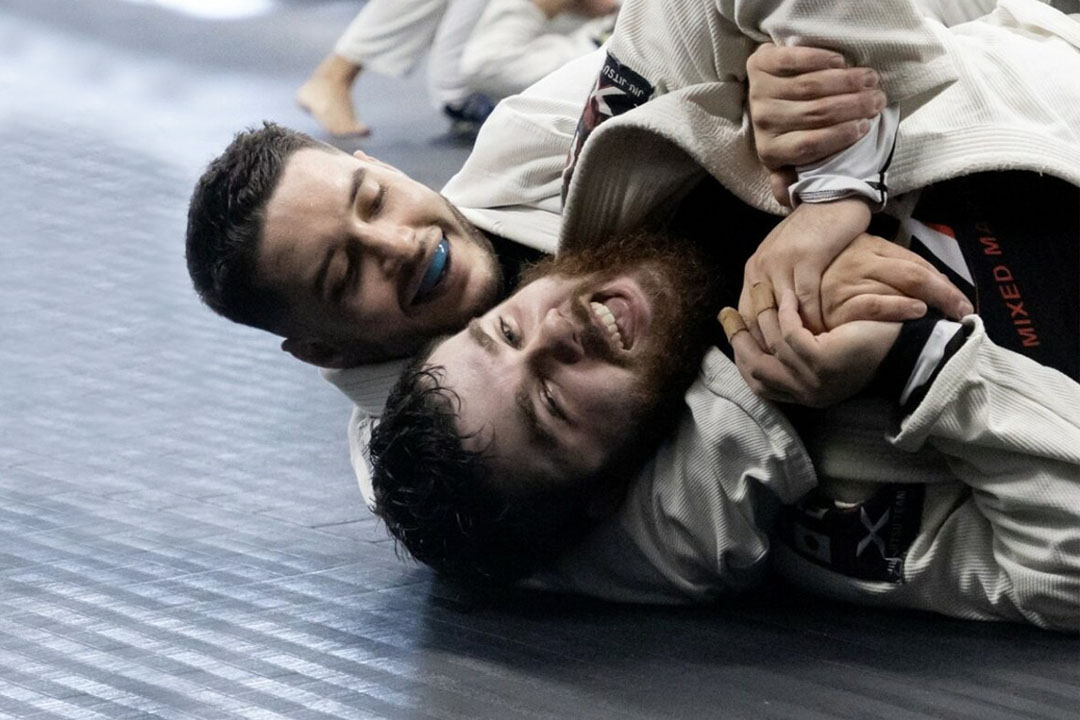
If you’ve been rolling in no gi jiu jitsu lately, you might have noticed something. The pace seems relentless, the scrambles more explosive, and the techniques increasingly complex. You’re not imagining it – modern no gi jiu jitsu has definitely picked up speed, and it’s got plenty of hobbyists wondering if they can keep up.
The short answer is yes, you absolutely can. But like any evolution in martial arts, this shift requires some smart adjustments to how you approach your training. Let’s break down what’s really happening in the no gi world and how you can stay in the game without burning out or getting left behind.
The reality is that research confirms no gi jiu jitsu has become more athletic and dynamic over the past decade. What started as a simplified version of gi training has morphed into its own beast, with unique techniques, faster transitions, and a heavy emphasis on physical conditioning. But here’s the good news – this doesn’t mean recreational practitioners are doomed to struggle.
What Makes Modern No Gi Jiu Jitsu Feel So Fast
The speed increase in no gi isn’t just your imagination. Several factors have combined to create this phenomenon, and understanding them helps explain why your Tuesday night rolls feel like a sprint rather than a chess match.
How the Lack of Grips Changes Everything
Without gi grips to slow things down, no gi naturally favors fluid movement and quick transitions. There’s less opportunity to establish dominant control positions and hold them for extended periods. This creates a more dynamic environment where scrambles happen frequently and positions change rapidly.
Industry standards indicate that the absence of collar and sleeve grips also means that traditional stalling tactics don’t work as effectively. In gi, you can often grab a sleeve and take a breather while you think about your next move. In no gi, that luxury disappears, forcing a more continuous flow of action.
Why Wrestling Influence Accelerated the Pace
The influx of wrestlers into jiu jitsu has dramatically influenced no gi’s evolution. Wrestlers bring a completely different energy to the mats – they’re used to explosive movement, constant pressure, and six-minute matches where every second counts.
Studies have found that this wrestling influence has pushed no gi techniques toward more athletic approaches. Hand fighting becomes more aggressive, takedowns more explosive, and ground transitions more scramble-heavy. For someone coming from a traditional gi background, this shift can feel overwhelming.
How Competition and Social Media Shaped Training
High-level no gi competitions like ADCC have showcased increasingly athletic and technical approaches to the art. When hobbyists see these elite-level performances on social media, there’s a natural tendency to try and emulate what they’re seeing, even in casual training environments.
Evidence shows this trickle-down effect means that techniques and pacing from the highest levels of competition gradually work their way into everyday gym culture, though not all studies agree on the extent of social media’s influence. What was once reserved for elite athletes becomes the standard expectation in regular classes.
Who Thrives in Fast-Paced No Gi Training
Not everyone struggles with modern no gi’s intensity. Certain types of practitioners actually prefer the increased pace and find it more engaging than traditional approaches.
Why Younger Practitioners Love the Speed
Younger athletes often gravitate toward no gi because it matches their natural energy levels and recovery abilities. They can handle the physical demands of constant scrambling and explosive movements without the same recovery concerns that affect older practitioners.
The fast pace also keeps younger students engaged. Instead of getting bogged down in grip fighting and slow positional battles, they can experience immediate feedback and see rapid improvement in their ability to flow between positions.
How Athletes From Other Sports Adapt
Former wrestlers, as mentioned earlier, tend to excel in modern no gi environments. But they’re not the only ones. Athletes from sports like football, rugby, or wrestling often find the physical demands familiar and manageable.
These practitioners bring existing conditioning, body awareness, and competitive mindsets that translate well to high-intensity grappling. They’re also typically more comfortable with the idea that training should push physical limits.
Where Hobbyists Face Real Challenges
While the evolution of no gi has created exciting opportunities, it has also introduced genuine challenges for recreational practitioners who train a few times per week and have other life commitments.
What Physical Demands Look Like Now
Modern no gi training places significant demands on cardiovascular conditioning, explosive power, and recovery capacity. The constant scrambling and quick transitions require sustained high-intensity output that can be exhausting for someone who isn’t training multiple times per week.
This intensity can lead to faster fatigue during rolling sessions, making it harder to focus on technique development. When you’re gasping for air, it’s difficult to think clearly about position and leverage – though the evidence is still emerging on how this specifically impacts learning.
How Injury Risk Changes With Increased Pace
Faster-paced training naturally increases certain injury risks, particularly for practitioners who don’t have the conditioning to maintain good form under fatigue. Explosive movements and quick transitions require precise timing and body control.
Hobbyists who jump into high-intensity no gi training without proper preparation may find themselves dealing with minor injuries that could have been avoided with a more gradual approach to building intensity – though we don’t yet know for sure exactly how pace affects injury rates.
| Training Aspect | Traditional Pace | Modern Fast Pace | Hobbyist Impact |
|---|---|---|---|
| Position Transitions | Deliberate and controlled | Explosive and continuous | Higher cardio demands |
| Scrambling Frequency | Occasional and brief | Frequent and extended | Increased fatigue |
| Technique Focus | Position-based mastery | Flow and adaptation | Steeper learning curve |
| Recovery Time | Built into training | Minimal between rounds | Faster burnout risk |
How to Succeed as a Hobbyist in Modern No Gi
The key to thriving in today’s no gi environment isn’t to avoid the evolution – it’s to adapt your approach strategically. Here are practical ways to stay competitive and have fun without sacrificing your long-term health or enjoyment.
What Training Modifications Actually Work
Start by adjusting your expectations and training intensity. You don’t need to match the pace of someone who trains twice a day. Focus on building your conditioning gradually while prioritizing technique development over raw intensity.
- Begin each session with longer warm-ups to prepare your body for dynamic movement
- Practice flowing between positions at your own pace before jumping into live rolling
- Take strategic breaks during rolling sessions when needed
- Focus on one or two techniques per session rather than trying to learn everything
- Work with partners who understand your training goals and pace preferences
How to Choose the Right Training Partners
Partner selection becomes crucial in fast-paced no gi environments. Look for training partners who prioritize mutual improvement over domination. These might be other hobbyists, newer students who are still building intensity, or experienced practitioners who enjoy technical rolling.
Don’t feel obligated to roll with every high-intensity athlete in the gym. It’s perfectly acceptable to seek out partners who match your energy level and training goals. This isn’t avoiding challenge – it’s training intelligently.
The best jiu jitsu happens when both partners can learn and improve together. Speed and intensity are just tools, not goals in themselves.
Which Techniques Serve Hobbyists Best
In a fast-paced environment, focus on fundamental techniques that work well under pressure. These tend to be simpler movements that don’t require perfect timing or explosive athleticism to execute effectively.
- Basic escapes from common positions like side control and mount
- Fundamental sweeps that rely on leverage rather than speed
- Simple submission setups that you can hit consistently
- Defensive positions that allow you to survive and reset
- Breathing and relaxation techniques for staying calm under pressure
What to Look for in a Hobbyist-Friendly Gym
Not all gyms approach no gi training the same way. Some prioritize competition-level intensity, while others focus on technical development and long-term sustainability. Understanding these differences can help you find an environment where you’ll thrive.
How to Identify the Right Training Culture
Look for gyms that explicitly welcome recreational practitioners and offer structured progression for hobbyists. The best environments balance technical instruction with appropriate intensity levels for different experience levels.
Pay attention to how instructors manage class pace and whether they provide modifications for different fitness levels. A good instructor will offer intensity options rather than assuming everyone wants to train at competition pace.
What Questions to Ask Before Joining
When visiting potential gyms, ask specific questions about their approach to no gi training for hobbyists. Find out if they offer beginner-specific classes, how they handle intensity levels, and what their philosophy is regarding recreational versus competitive training.
- Do you offer no gi classes specifically for beginners or hobbyists
- How do you modify training for different fitness levels
- What’s the typical pace and intensity of your regular no gi classes
- Do instructors provide alternatives for high-intensity techniques
- What’s the gym culture like regarding training intensity and competition
How to Balance Gi and No Gi Training
Many hobbyists find success by incorporating both gi and no gi training rather than focusing exclusively on one format. This approach allows you to develop well-rounded skills while managing the physical demands of high-intensity no gi training.
Why Gi Training Complements Modern No Gi
Gi training forces you to slow down and think through positions more methodically. This technical focus can improve your no gi game by building a stronger foundation of positional awareness and leverage-based techniques.
The grip fighting and control aspects of gi training also develop attributes that transfer to no gi, particularly in terms of hand fighting and maintaining position under pressure.
What Training Split Works for Hobbyists
Consider splitting your training time between gi and no gi based on your goals and recovery capacity. A 60/40 split favoring gi can provide technical development while still keeping you current with no gi trends.
Alternatively, you might focus on gi during busier life periods when you need slower-paced training, then increase no gi training when you have more time and energy to dedicate to higher intensity work.
What the Research Says About No Gi Training
Understanding the evidence behind no gi’s evolution can help you make informed decisions about your training approach:
- Confirmed benefits: Studies show no gi training improves cardiovascular fitness, explosiveness, and dynamic movement skills more rapidly than traditional approaches
- Technique effectiveness: Research confirms that leverage-based fundamentals remain highly effective even in fast-paced environments
- Wrestling integration: Evidence shows that wrestling techniques have significantly enhanced no gi’s athletic demands and tactical options
- Gradual adaptation works: Multiple sources confirm that building conditioning progressively while emphasizing technique reduces injury risk and improves long-term success
- Mixed evidence areas: Experts have different views on optimal training intensity for hobbyists, and we don’t yet know for sure how social media specifically influences gym culture
- Individual variation: Not all studies agree on injury rates related to training pace, suggesting individual factors play a significant role
How We Can Help You Navigate Modern No Gi Training
At Extreme MMA, we understand the challenges that hobbyists face in today’s rapidly evolving no gi environment. Our approach focuses on building sustainable skills that work for recreational practitioners while still keeping you current with modern techniques and strategies.
Our experienced instructors know how to modify high-level techniques for different fitness levels and training goals. We offer structured progression that allows you to develop at your own pace while still experiencing the excitement and benefits of modern no gi jiu jitsu.
Whether you’re looking to complement your existing training or dive into no gi for the first time, we provide the guidance and supportive environment you need to succeed. Our classes cater to all skill levels, with specific attention paid to helping hobbyists thrive in today’s faster-paced grappling landscape.
What the Future Holds for Hobbyist No Gi Training
The evolution of no gi jiu jitsu isn’t slowing down, but that doesn’t mean hobbyists will be left behind. As the art continues to develop, there’s growing recognition of the need for training approaches that serve different populations and goals.
Many gyms are beginning to offer more structured programs for recreational practitioners, recognizing that not everyone wants to train like a professional athlete. This trend toward inclusive training environments suggests a bright future for hobbyists who want to participate in modern no gi without sacrificing their long-term health or enjoyment.
The key is staying informed about developments in the art while maintaining realistic expectations about your own training journey. Modern no gi jiu jitsu offers incredible opportunities for growth and enjoyment – you just need to approach it on your own terms.
Remember, jiu jitsu is a lifelong journey. Whether you’re rolling at a relaxed pace or pushing high-intensity limits, the most important thing is that you’re consistently learning and enjoying the process. The evolution of the art should enhance your experience, not diminish it.
About the Author

Lachlan James
Marketing Coordinator at Extreme MMA
Lachlan James is the Marketing Coordinator at Extreme MMA, responsible for creating engaging content and building the brand’s online presence. With a passion for mixed martial arts and digital marketing, Lachlan combines his knowledge of the sport with strategic marketing expertise to help grow the Extreme MMA community. He works closely with coaches and fighters to share their stories and expertise with both current members and aspiring martial artists.
When he’s not creating content or managing social media campaigns, Lachlan can be found training at the gym, always looking to improve his own skills while gaining deeper insights into what makes Extreme MMA special.
When he's not creating content or managing social media campaigns, Lachlan can be found training at the gym, always looking to improve his own skills while gaining deeper insights into what makes Extreme MMA special.