
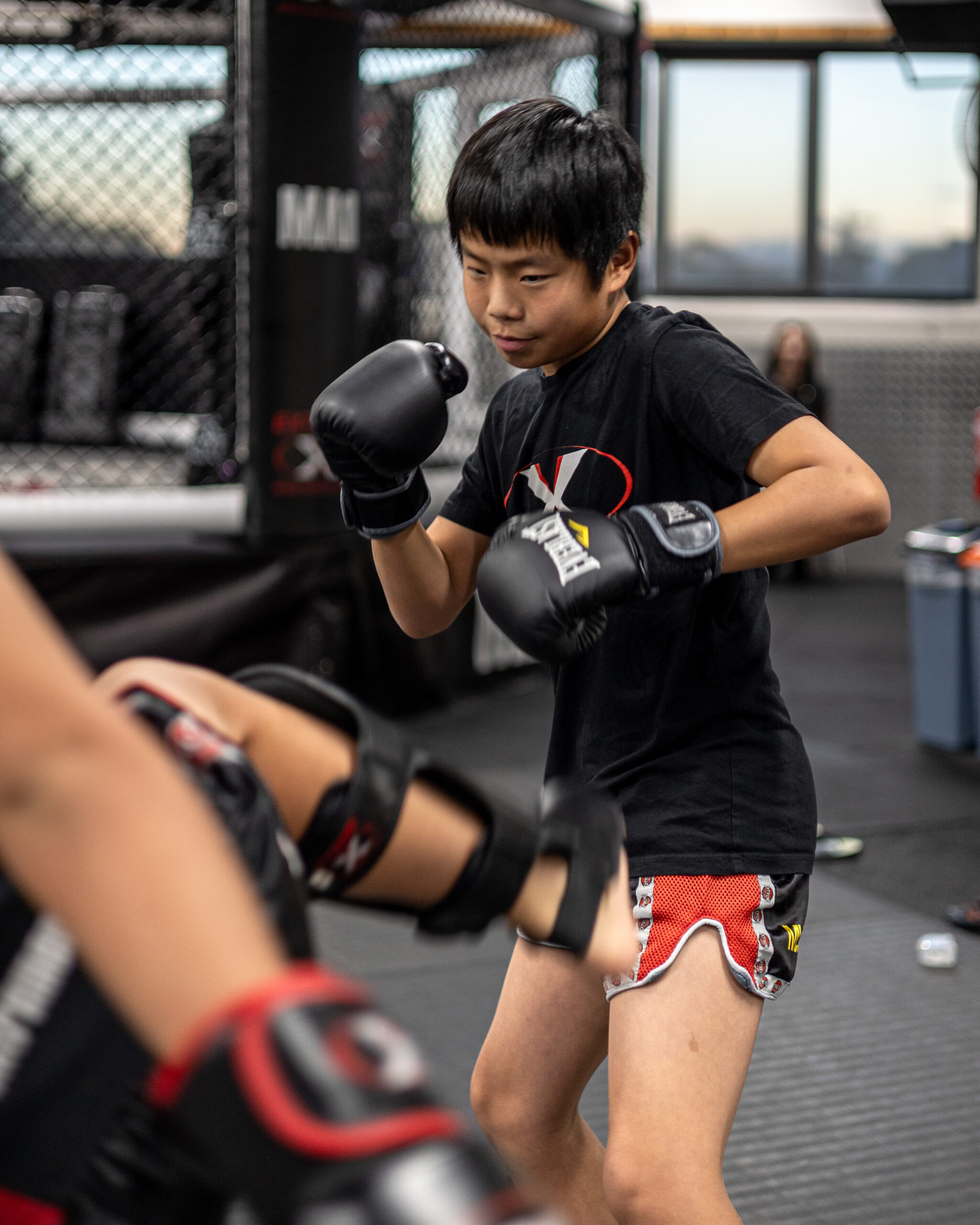
So you want to know what strength and conditioning exercises actually make a difference in the cage? Good question, mate! Whether you’re throwing hands like a striker or wrestling for takedowns, your physical preparation outside of technique training can make or break your performance when it counts. MMA strength and conditioning isn’t just about getting jacked (though that’s a nice bonus) – it’s about building the specific physical attributes that translate to better performance across all martial arts disciplines.
The truth is, there’s no one-size-fits-all approach here. What works for a submission specialist might not be ideal for someone who loves to throw bombs on the feet. But don’t worry – we’re going to break down exactly what exercises deliver the biggest bang for your buck, how to structure your training around your fighting style, and why periodization is your secret weapon for avoiding burnout while maximizing gains.
Let’s dive into what actually works for building a fighter’s body that can go the distance.
What Foundational Exercises Should Every Fighter Master
Look, I get it – there are about a million exercises you could be doing. But when you’re already spending hours drilling techniques, rolling, and hitting pads, you need to be smart about your gym time. The good news is that a handful of compound movements will give you everything you need to build a solid foundation.
Which Core Lifts Deliver Maximum Results
These are your non-negotiables, the exercises that every fighter should have in their arsenal regardless of their preferred fighting style. They target multiple muscle groups at once, making them incredibly time-efficient for busy martial artists.
- Squats – Build explosive leg power for takedowns, sprawls, and movement
- Deadlifts – Develop posterior chain strength essential for grappling and striking power
- Pull-ups – Create pulling strength crucial for clinch work and submission attempts
- Bench press – Build pushing power for hand strikes and defensive frames
- Overhead press – Develop shoulder stability and core strength for all fighting positions
These movements work because they mirror the multi-joint, full-body demands of fighting. When you’re sprawling out of a takedown attempt, you’re essentially doing an explosive pushup. When you’re pulling someone into your guard, you’re performing a pulling motion similar to a row.
How Often Should Fighters Hit the Weights
Here’s where it gets interesting – your training frequency should actually depend on your primary fighting style. Grapplers typically benefit from hitting the weights more frequently because their sport demands more raw strength. Strikers, on the other hand, often get better results from prioritizing conditioning over pure strength work.
A good rule of thumb is 2-3 strength sessions per week for most fighters, but we’ll get into the style-specific breakdowns in the next section.
How Should Strikers Train Differently Than Grapplers
This is where the magic happens, folks. One of the biggest mistakes I see is fighters trying to follow generic programs without considering their fighting style. A heavyweight boxer and a submission specialist have completely different physical demands, so their training should reflect that.
What Do Striking Athletes Need Most
If you’re primarily a striker – whether that’s boxing, kickboxing, or Muay Thai – your training should emphasize cardiovascular conditioning over pure strength development. Here’s why that makes sense when you think about it.
Striking is largely about speed, timing, and the ability to maintain power output over multiple rounds. You need to be able to throw combinations with snap and power even when you’re tired. That means your cardiovascular system is often the limiting factor, not your raw strength.
- Aim for 5-8 hours of zone-based cardio training per week
- Focus on interval training that mimics fight rounds
- Strength training 2-3 times per week with moderate intensity
- Emphasize explosive movements over maximum strength
How Should Grapplers Structure Their Training
Grapplers, on the other hand, are in a completely different game. Wrestling, Brazilian Jiu-Jitsu, and submission grappling all demand significant strength, especially when you’re fighting for position or trying to finish a submission against a resisting opponent.
For grappling-focused athletes, the sweet spot is usually 3-5 hours of cardio work per week combined with more frequent strength training sessions. You still need good conditioning, but strength development takes a higher priority.
- Strength training 3-4 times per week
- 3-5 hours of cardiovascular training weekly
- Focus on pulling movements and posterior chain development
- Include grip strength and core stability work
The key is matching your physical preparation to the demands of your fighting style. A striker who trains like a powerlifter or a grappler who only does cardio is missing the mark.
Why Is Periodization Critical for Fight Training
Alright, here’s something that separates the smart trainers from the ones who burn out – periodization. Basically, this means you’re not trying to peak in strength and cardio simultaneously all year round. That’s a recipe for overtraining and poor performance when it actually matters.
How Do Training Phases Work for Fighters
Think of your training like seasons. During certain periods, you’re emphasizing strength development while maintaining cardio. During others, you’re pushing cardiovascular conditioning while just maintaining your strength gains. This prevents your body from adapting to one stimulus and plateauing.
A typical periodization approach might look like alternating 6-8 week blocks where you emphasize different qualities. Here’s how this might play out in practice.
| Training Phase | Primary Focus | Strength Frequency | Cardio Volume
|
|---|---|---|---|
| Strength Phase | Building maximum strength | 4-5 sessions/week | 2-3 hours/week |
| Cardio Phase | Developing conditioning | 2-3 sessions/week | 6-8 hours/week |
| Maintenance Phase | Deload and recovery | 2 sessions/week | 3-4 hours/week |
What Happens During Deload Weeks
Every 4-6 weeks, you need to plan a deload week where you reduce training volume by about 40-50%. This isn’t being lazy – it’s allowing your body to recover and adapt to the training stimulus you’ve been providing. Think of it as taking two steps back to take three steps forward.
During deload weeks, you might cut your strength training volume in half and reduce your cardio intensity while maintaining frequency. Your body will thank you, and you’ll come back stronger in the following weeks.
How Important Is Cardiovascular Training for MMA
Let’s talk about the elephant in the room – cardio. I know, I know, it’s not the most exciting part of training, but it’s absolutely crucial for fight performance. The difference between good cardio and great cardio is often what separates winners from losers when the going gets tough.
What Are Heart Rate Zones and Why Do They Matter
Here’s a game-changer for your conditioning work – training in specific heart rate zones. Instead of just going hard every session, you can target different energy systems by monitoring your heart rate and staying in specific ranges.
Most fighters benefit from tracking their weekly time in different zones rather than just hammering high-intensity work every session. This approach ensures you’re developing both your aerobic base and your ability to recover between high-intensity bursts.
- Zone 1-2 (60-70% max HR) – Aerobic base building, active recovery
- Zone 3 (70-80% max HR) – Aerobic threshold development
- Zone 4-5 (80-95% max HR) – Anaerobic power and fight-specific conditioning
Should Fighters Avoid Traditional Bodybuilding Cardio
There’s an ongoing debate about whether traditional steady-state cardio helps or hurts fight performance. Some argue that too much low-intensity work can actually impair your ability to generate explosive power when needed.
The reality is more nuanced. High-intensity interval training should definitely be a staple because it mimics the demands of fighting – short bursts of intense activity followed by brief recovery periods. However, some aerobic base work helps with recovery between rounds and overall work capacity.
What Role Do Mobility and Recovery Play
Okay, here’s the part that everyone wants to skip but absolutely shouldn’t – mobility and recovery work. I get it, stretching and foam rolling aren’t as exciting as throwing hands or rolling, but they’re essential for staying healthy and performing at your best.
How Much Recovery Work Do Fighters Need
Successful fighters typically dedicate 70-120 minutes per week to stretching, foam rolling, and other recovery modalities. That might sound like a lot, but when you consider the beating your body takes during training, it’s actually a pretty good investment.
The specific areas you should focus on depend partly on your fighting style. Strikers often need more hip mobility and ankle flexibility for kicking and footwork, while grapplers benefit from extra attention to shoulder mobility and spinal rotation.
Which Recovery Methods Actually Work
Don’t get caught up in fancy recovery gadgets and expensive treatments. The basics work incredibly well if you do them consistently.
- Foam rolling – 10-15 minutes post-training to address muscle tension
- Static stretching – Hold stretches for 30-60 seconds focusing on problem areas
- Dynamic warm-ups – Prepare your body for training with movement-based preparation
- Sleep optimization – 7-9 hours of quality sleep is non-negotiable for recovery
Are Unilateral and Rotational Exercises Necessary
This is where things get a bit controversial in the strength and conditioning world. Some coaches swear by single-arm, single-leg, and rotational exercises for fighters, while others argue they’re not worth the time investment.
What Do Single-Limb Exercises Actually Provide
The argument for unilateral training is that fighting involves lots of single-limb movements and asymmetrical positions. You’re not always pushing or pulling with both arms simultaneously, so training each limb independently makes sense from a specificity standpoint.
However, there’s a counterargument that’s worth considering. If you’re already spending hours drilling techniques, rolling, and sparring, you’re getting plenty of unilateral and rotational movement patterns. Your limited strength training time might be better spent on exercises that provide the biggest strength and power improvements.
When Should Fighters Skip Fancy Exercise Variations
For most fighters, especially those with limited training time, the core compound movements we discussed earlier provide better bang for your buck than complex unilateral exercises. Your sport-specific training already includes plenty of single-limb and rotational work.
That said, if you have movement imbalances or injury history, targeted unilateral work can be valuable for addressing these issues. It’s more about fixing problems than maximizing performance for most athletes.
What About Bodyweight Training for Fighters
Let’s be real – not everyone has access to a fully equipped gym, and sometimes you need to train when you’re traveling or your schedule is completely packed. Bodyweight training can be incredibly effective for maintaining fitness and building functional strength.
Which Bodyweight Exercises Work Best for MMA
Calisthenics and bodyweight training remain popular among martial artists for good reason. They’re convenient, require minimal equipment, and many movements translate well to fighting demands.
- Push-up variations – Build pushing strength and core stability
- Pull-up progressions – Develop pulling power for grappling
- Burpees – Combine strength and conditioning in one movement
- Mountain climbers – Build core endurance and hip mobility
- Pistol squats – Single-leg strength and balance
Can Bodyweight Training Replace Weight Training
While bodyweight exercises are fantastic for maintaining fitness and building endurance, they have limitations when it comes to building maximum strength. You can only make push-ups so difficult before you need external resistance to continue progressing.
The sweet spot for most fighters is using bodyweight training as a supplement to weight training, not a replacement. It’s perfect for active recovery days, travel situations, or when you want to add extra volume without the stress of heavy lifting.
Some fighters get creative with their bodyweight training to increase difficulty and maintain interest. The key is finding variations that challenge you and keep training engaging when motivation might be lacking.
How to Build Your Complete Training Program
Alright, let’s put this all together into something you can actually use. Building an effective strength and conditioning program for MMA isn’t rocket science, but it does require some planning and consistency.
What Does a Week of Training Look Like
Here’s a sample weekly structure that balances strength, conditioning, and recovery for a well-rounded fighter. Remember, this should be adjusted based on your fighting style, experience level, and other training commitments.
| Day | Focus | Duration | Intensity
|
|---|---|---|---|
| Monday | Strength training (upper body) | 45-60 minutes | Moderate to high |
| Tuesday | Conditioning (intervals) | 30-45 minutes | High |
| Wednesday | Strength training (lower body) | 45-60 minutes | Moderate to high |
| Thursday | Active recovery/mobility | 20-30 minutes | Low |
| Friday | Full body strength | 45-60 minutes | Moderate |
| Weekend | Conditioning/sport-specific | 30-60 minutes | Variable |
How Should Beginners Approach Strength Training
If you’re new to strength training, don’t try to do everything at once. Start with a basic full-body routine 2-3 times per week, focusing on learning proper form with the fundamental movements. Progression comes from consistency, not complexity.
Begin with bodyweight versions of exercises or light weights, and add resistance gradually as your technique improves. Your nervous system needs time to adapt to new movement patterns, and rushing this process often leads to injury.
Taking Your Training to the Next Level
Ready to take your conditioning seriously and see real improvements in your fighting performance? The key is finding a program that’s tailored to your specific needs as a martial artist, not just copying what bodybuilders or powerlifters do.
At Extreme MMA, we understand that every fighter has different strengths, weaknesses, and goals. Our strength and conditioning programs are designed specifically for mixed martial arts, taking into account the unique demands of striking, grappling, and everything in between.
[custom_shortcode_placeholder]
Whether you’re looking to build explosive power for your takedowns, develop the cardio to go hard for multiple rounds, or simply want to stay injury-free while training at a high level, having expert guidance makes all the difference. Our coaches can help you periodize your training, identify weak points in your physical preparation, and keep you accountable to a program that actually works.
The best part? You don’t have to figure this out on your own. With our 30-day free trial, you can experience firsthand how proper strength and conditioning work integrates with your martial arts training to take your performance to new heights.
Key Takeaways for MMA Conditioning Success
Building an effective strength and conditioning program for MMA doesn’t have to be complicated, but it does need to be smart. Focus on the fundamentals first – master your squats, deadlifts, and pull-ups before getting fancy with specialized exercises.
Remember that your fighting style should drive your conditioning approach. Strikers need more cardio emphasis, grapplers benefit from additional strength work, and everyone needs adequate recovery and mobility work to stay healthy.
Most importantly, be patient with the process. Physical adaptations take time, and trying to rush things by training at maximum intensity year-round is a recipe for burnout. Use periodization to your advantage, plan deload weeks, and trust that consistency with a good program will deliver results.
Your strength and conditioning work should complement your martial arts training, not compete with it. When done right, it becomes the foundation that allows you to train harder, perform better, and stay healthy throughout your fighting journey.
About the Author

Lachlan James
Marketing Coordinator at Extreme MMA
Lachlan James is the Marketing Coordinator at Extreme MMA, responsible for creating engaging content and building the brand’s online presence. With a passion for mixed martial arts and digital marketing, Lachlan combines his knowledge of the sport with strategic marketing expertise to help grow the Extreme MMA community. He works closely with coaches and fighters to share their stories and expertise with both current members and aspiring martial artists.
When he’s not creating content or managing social media campaigns, Lachlan can be found training at the gym, always looking to improve his own skills while gaining deeper insights into what makes Extreme MMA special.
When he's not creating content or managing social media campaigns, Lachlan can be found training at the gym, always looking to improve his own skills while gaining deeper insights into what makes Extreme MMA special.