
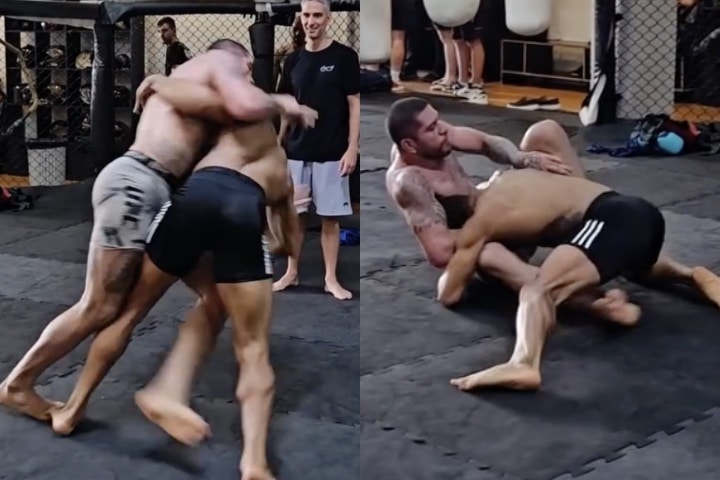
So you’re wondering what separates the good fighters from the absolute legends once they hit the big leagues? It’s a fascinating question that gets to the heart of what makes MMA champion skills so unique. The truth is, reaching the UFC is just the beginning – that’s when the real skill development begins!
Think about it this way – every fighter who makes it to the octagon already has serious talent. But the ones who become champions? They’re the athletes who keep evolving, keep adding new weapons to their arsenal, and most importantly, know which skills are actually worth pursuing at that elite level.
The reality might surprise you though. Contrary to what many people think, not all skills are created equal when it comes to late-career development. Some techniques can transform a fighter’s game in months, while others might take years to master – if they can be mastered at all without that early foundation.
Why Striking Skills Are Easier to Develop at Elite Levels
Here’s something that might blow your mind – striking is actually the easiest discipline to pick up later in a fighter’s career. I know, I know, it seems backwards when you watch someone like Anderson Silva flow through combinations, but hear me out. Research shows that MMA competition gloves significantly amplify striking power compared to traditional boxing gloves, making basic techniques more effective more quickly.
What Makes Offensive Striking So Accessible
The beauty of striking in MMA lies in its immediate applicability. Unlike grappling, where you need to understand complex positional hierarchies and leverage systems, basic striking can be dangerous right away. MMA gloves deliver 4-5 times greater peak impact forces than traditional boxing gloves, which means you don’t need picture-perfect technique to create fight-ending moments.
Most successful strikers who reach the UFC focus on learning enough defensive grappling to survive, rather than trying to become offensive grapplers. It’s a smart strategy – why spend five years trying to develop a wrestling game when you could spend that time perfecting your striking and just learning to defend takedowns?
The Wrestling Foundation Advantage
Interestingly, many of the best strikers in UFC history actually started as wrestlers. Fighters like Jose Aldo and Rafael dos Anjos built their striking games on top of solid wrestling foundations. This pattern repeats itself constantly because wrestlers already understand distance management, timing, and how to set up their attacks.
The transition from wrestling to striking is like learning a new language when you already understand grammar - the foundation makes everything else click faster.
| Skill Type | Learning Timeline | Success Rate | Key Challenge |
|---|---|---|---|
| Offensive Striking | 6-18 months | High | Developing defense |
| Defensive Striking | 2-4 years | Medium | Complex timing |
| Offensive Grappling | 3-5 years | Low | Positional knowledge |
| Wrestling Base | Childhood ideal | Very Low | Athletic development |
Why Wrestling Remains the Ultimate Foundation
Let’s talk about the elephant in the room – wrestling. Industry experts consistently identify wrestling as the ultimate foundational skill for MMA success, but it’s also the hardest skill to develop if you didn’t start young. This creates a real dilemma for fighters trying to round out their games.
The Early Development Problem
Wrestling isn’t just about technique – it’s about a lifetime of athletic development that’s really tough to replicate as an adult. The body awareness, the explosive power development, the grinding mentality – these things are best built during those formative years when your nervous system is most adaptable. Training specialists note that wrestling develops unique conditioning and mental toughness that’s difficult to replicate without that early foundation.
Most fighters who reach the UFC without a wrestling background find themselves playing permanent defense in that realm. They learn enough to survive, maybe enough to get back to their feet, but rarely enough to become the aggressor.
When Wrestlers Become Strikers
The flip side is absolutely beautiful to watch. When wrestlers decide to add striking to their arsenal, they often become some of the most dangerous fighters in the sport. They already understand distance, timing, and how to set up their attacks. Plus, their takedown threat makes their striking twice as dangerous.
- They can close distance without fear of takedowns
- Their striking carries the constant threat of level changes
- They understand how to control where the fight takes place
- Their conditioning from wrestling transfers perfectly to striking
How Submission Grappling Offers a Middle Path
Now here’s where things get really interesting. While wrestling might be nearly impossible to master later in life, submission grappling presents a much more realistic option for fighters looking to expand their ground game.
Why BJJ Works Better for Late Starters
Brazilian Jiu-Jitsu and submission grappling in general rely more on technique and timing than pure athletic ability. You don’t need to have started wrestling in high school to develop a dangerous submission game. The evidence is all over the UFC – fighters like Anthony Pettis and Donald Cerrone transformed from strikers into legitimate submission threats.
The key difference is that submissions can be learned as isolated techniques and then chained together, whereas wrestling requires a deep understanding of positional control that takes years to develop. A striker can learn a solid guillotine or rear naked choke in months, but learning to consistently get takedowns against high-level opposition? That’s a much longer journey.
What Factors Determine Success in Late-Career Skill Development
Not every fighter who tries to expand their skillset succeeds. The ones who do share some common characteristics that separate them from the pack. However, it’s worth noting that the evidence on what specifically drives late-career skill development isn’t as clear-cut as you might expect.
Individual Attributes That Matter Most
Athletic ability obviously plays a role, but it’s not the only factor. Mental adaptability might be even more important – some fighters just have a knack for picking up new movements and integrating them into their existing game. Others struggle to break old habits, even with world-class coaching. Research on UFC champions suggests that mental factors like self-reflection and discipline play crucial roles, though experts have different views on exactly which factors matter most for late-career development.
Access to specialized coaching makes a huge difference too. It’s one thing to cross-train at a local gym, it’s another to work with coaches who understand how to adapt techniques specifically for MMA and for your existing skillset.
The Integration Challenge
Learning a technique in isolation is completely different from being able to use it under pressure in a real fight. The fighters who succeed at late-career skill development are usually the ones who understand this from day one. Training research shows that contextualized practice – where fighters learn transitions between skills rather than isolated techniques – produces better results than traditional drilling methods.
- Understanding your current strengths and how new skills complement them
- Having realistic timelines for skill development
- Access to high-level coaching and training partners
- Mental flexibility and willingness to look awkward while learning
- Ability to integrate new skills with existing game plans
Which Skills Should Fighters Prioritize Based on Their Background
Alright, let’s get practical. If you’re already training or thinking about what to focus on, here’s the real breakdown of what makes sense based on where you’re starting from.
For Strikers Looking to Expand Their Ground Game
If you’re primarily a striker, your best bet is focusing on submission grappling rather than trying to become a wrestler. Learn to hunt for submissions from the positions you’re most likely to end up in – back control from scrambles, guillotines when sprawling, and maybe some basic guard work.
Don’t try to become a positional grappler overnight. Instead, look for ways to finish fights quickly when the opportunity presents itself. Your goal isn’t to out-grapple grapplers – it’s to be dangerous enough that they can’t just take you down and control you without risk.
For Grapplers Adding Striking Elements
If you’re coming from a grappling background, modern MMA training emphasizes that grapplers must integrate striking to set up takedowns and avoid getting knocked out on the feet. You don’t need to become Anderson Silva – you just need to be competent enough to survive long enough to get the fight where you want it.
The beautiful thing about having a strong grappling base is that your opponents have to respect your takedown threat, which makes basic striking much more effective. A simple jab-cross combination becomes deadly when your opponent is worried about level changes.
| Fighter Background | Priority Skill | Timeline | Success Indicators |
|---|---|---|---|
| Striker | Submission Defense | 6-12 months | Escaping bad positions quickly |
| Striker | Submission Offense | 12-24 months | Finishing from dominant positions |
| Grappler | Basic Striking | 6-18 months | Setting up takedowns effectively |
| Grappler | Striking Defense | 12-36 months | Avoiding damage while closing distance |
How Mental and Strategic Skills Develop at Elite Levels
Here’s something that doesn’t get talked about enough – the mental side of skill development at the championship level. Physical techniques are just one piece of the puzzle.
The Championship Mindset Difference
Champions develop an almost supernatural ability to stay calm under pressure and make split-second decisions that would overwhelm most fighters. Case studies of fighters like Georges St-Pierre show that specific mental training techniques like visualization and deep breathing can be developed through targeted practice, though the evidence is still emerging on how fighters develop real-time opponent reading skills.
Research on top UFC fighters consistently shows that mental skills and fight IQ – the ability to read their opponent’s tendencies, adapt their game plan mid-fight, and find ways to win even when their A-game isn’t working – often separate champions from very good fighters.
Sequence-Based Fighting vs Individual Techniques
One thing that really sets elite fighters apart is their ability to think in sequences rather than individual techniques. Instead of throwing a jab and then deciding what to do next, they’re already three moves ahead, setting up combinations and transitions that flow naturally from one to the next.
This is where patience and ingenuity really come into play. Champions are willing to spend entire rounds setting up one perfect sequence, rather than rushing and forcing techniques that aren’t there.
What the Research Says About MMA Skill Development
Let’s break down what the evidence actually tells us about developing championship-level skills:
- Striking skills can be developed more effectively than many expect – MMA gloves allow basic techniques to be dangerous quickly, making striking a realistic addition to any fighter’s arsenal
- Wrestling provides the ultimate foundation – Industry analysis consistently shows wrestlers dominate championship ranks, though experts note this skill is best developed early in life
- Mental training produces measurable results – Documented cases show fighters can develop pressure management and strategic thinking through specific psychological training methods
- Contextualized training beats isolated practice – Research indicates that learning skill transitions in realistic scenarios is more effective than drilling techniques in isolation
- Individual factors vary significantly – Not all studies agree on which specific attributes predict success in late-career skill development
- Integration remains the biggest challenge – The evidence shows that successfully blending new skills with existing strengths requires specialized coaching approaches
What This Means for Your Training Journey
Whether you’re dreaming of the UFC or just want to improve your own game, understanding how elite fighters develop skills can totally transform your approach to training.
The key takeaway? Be realistic about what you can achieve and focus on skills that complement your existing strengths. You don’t need to become a master of everything – you just need to be dangerous enough in all areas that your opponents can’t ignore any part of your game.
Remember, even UFC champions are constantly evolving. The learning never stops, but being smart about what you prioritize can make the difference between steady improvement and spinning your wheels for years.
At Extreme MMA, we understand this journey better than most. Our coaches have seen fighters at every level develop their skills, and we know what works and what doesn’t when it comes to expanding your game at any stage of your martial arts journey.
Key Takeaways for Skill Development
Let’s wrap this up with the most important points to remember about developing championship-level skills in MMA.
First, striking skills are your best bet if you’re looking to add new weapons later in your career. The learning curve is friendlier, and basic competency can be achieved relatively quickly compared to grappling arts.
Second, wrestling remains the ultimate foundation, but it’s nearly impossible to develop to a high level without starting young. If you don’t have that base, focus on learning enough defensive wrestling to survive and redirect your energy toward submission grappling.
Finally, individual factors like athleticism, coaching quality, and mental adaptability play huge roles in determining success. Two fighters with identical starting points can have completely different outcomes based on these variables.
- Striking can be developed more easily than grappling at elite levels
- Wrestling foundation provides the best platform for adding other skills
- Submission grappling offers realistic late-career expansion opportunities
- Mental skills and fight IQ are as important as physical techniques
- Individual attributes significantly affect learning outcomes
- Integration of new skills with existing strengths is crucial
The journey to championship-level skills never really ends, but understanding these principles can help you train smarter and see better results in less time. Focus on what’s realistic for your situation, be patient with the process, and remember that every champion started exactly where you are right now.
About the Author

Lachlan James
Marketing Coordinator at Extreme MMA
Lachlan James is the Marketing Coordinator at Extreme MMA, responsible for creating engaging content and building the brand’s online presence. With a passion for mixed martial arts and digital marketing, Lachlan combines his knowledge of the sport with strategic marketing expertise to help grow the Extreme MMA community. He works closely with coaches and fighters to share their stories and expertise with both current members and aspiring martial artists.
When he’s not creating content or managing social media campaigns, Lachlan can be found training at the gym, always looking to improve his own skills while gaining deeper insights into what makes Extreme MMA special.
When he's not creating content or managing social media campaigns, Lachlan can be found training at the gym, always looking to improve his own skills while gaining deeper insights into what makes Extreme MMA special.