
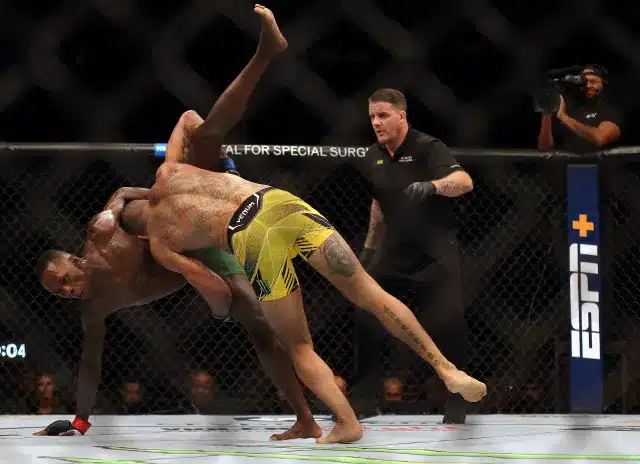
The MMA world is witnessing a fascinating shift as more UFC fighters are stepping away from traditional fight camps. This trend isn’t just about switching gyms or finding new coaches – it’s a fundamental change in how elite fighters approach their careers and training philosophies.
Traditional UFC fight camps have long been the gold standard for preparing fighters for competition. These intensive training periods typically span 6-8 weeks of focused preparation for a specific bout, bringing together fighters, coaches, and training partners in an all-consuming environment. According to industry standards, most camps follow this timeframe to ensure peak conditioning and preparation. But lately, more fighters are choosing different paths, and the reasons might surprise you.
Understanding why fighters are making these moves gives us incredible insight into the evolution of MMA as both a sport and a business. Whether you’re training recreationally or have professional aspirations, these trends reveal important truths about the realities of fighting at the highest level.
What Are the Main Health Concerns Driving Fighters Away
The biggest factor pushing fighters away from traditional camps is the growing awareness of long-term health consequences, particularly brain injuries like CTE and traumatic brain injuries. This isn’t just paranoia – it’s smart career planning based on mounting scientific evidence.
How Brain Injury Risks Shape Fighter Decisions
Fighters today are much more educated about the cumulative effects of head trauma. Many are walking away after experiencing concussions or witnessing teammates suffer serious injuries during training. Research confirms that repeated head impacts in MMA cause serious cognitive damage, traumatic brain injuries, and chronic traumatic encephalopathy (CTE). The scary part is that even fighters who show promise at high levels are choosing to prioritize their long-term cognitive health over potential career advancement.
Medical studies have made it crystal clear that repeated head impacts carry serious risks, and fighters are responding accordingly. While not all studies agree on retirement patterns after single incidents, the evidence on cumulative brain damage is compelling enough that some fighters step back when they start noticing signs of accumulated damage like memory issues or persistent headaches.
Why Physical Wear and Tear Accelerates Retirement
Beyond brain injuries, the general physical toll of intensive training is causing many fighters to reassess their priorities. Joint pain, chronic injuries, and the constant cycle of healing and re-injury create a grinding reality that many find unsustainable.
- Constant joint pain that interferes with daily life
- Repeated injuries that never fully heal
- Physical exhaustion from overtraining
- Weight cutting stress on the body
The reality check comes when fighters realize their bodies are breaking down faster than their skills are improving. At 29, some fighters feel like their joints belong to someone twenty years older.
How Does Fighter Pay Influence Camp Decisions
Here’s where things get really eye-opening – the financial reality of fighting often doesn’t match the physical investment required. This economic reality is pushing many talented fighters to reconsider their commitment to traditional training camps.
What Do Fighters Actually Earn Versus What They Risk
The numbers can be pretty sobering. Research shows that amateur fighters typically earn $0 from fights themselves, with supplemental income of $100-$600 per fight through ticket sales and sponsorships, often resulting in financial losses after expenses. When you factor in training costs, travel expenses, and lost income from other work, many fighters are actually losing money to compete.
| Fight Level | Typical Earnings | Common Expenses | Net Reality |
|---|---|---|---|
| Amateur/Regional | $0-$1,000 | Training, travel, medical | Often negative |
| Professional Regional | $1,000-$5,000 | Camp costs, coaches, gear | Minimal profit |
| UFC Preliminary | $12,000-$24,000 | Full camp, coaching team | Modest after expenses |
This financial pressure is particularly brutal for fighters with families. Industry data confirms that UFC preliminary fighters earn $12,000-$24,000 per fight on a show/win structure, but after taxes, training costs, and expenses, the take-home is often modest at best. Many discover they can’t afford to pursue fighting full-time while meeting their responsibilities as parents or providers.
Why the Entertainment Business Model Affects Training Choices
As fighters better understand MMA as an entertainment business rather than a pure sport, their approach to training camps changes. The realization that success depends as much on marketability and timing as fighting ability makes some question the value of traditional intensive preparation.
Smart fighters are starting to view camps as business investments that need to show clear returns, not just physical preparation.
When Do Fighters Realize They Lack Elite-Level Talent
One of the most honest and difficult realizations many fighters face is understanding their own limitations when exposed to truly elite competition. This self-awareness often comes during training camps when fighters work alongside UFC-level athletes.
How Training With Professionals Provides Reality Checks
There’s something uniquely humbling about training with fighters who compete at the highest levels. Many discover that despite years of dedicated training, they’re simply not operating at the same level as professional competitors. This isn’t a failure – it’s valuable self-knowledge.
Training next to elite fighters showed me I was a journeyman at best. That realization helped me redirect my energy toward sustainable goals that actually matched my abilities.
Fighters describe feeling like they’re playing a different sport entirely when they step up to train with UFC-level athletes. The speed, timing, and fight IQ differences become immediately apparent, and many realize they’d need to sacrifice everything else in their lives just to have a small chance at reaching that level.
What Happens When Fighters Accept Their Realistic Ceiling
Accepting limitations isn’t giving up – it’s smart planning. Many fighters find peace in redirecting their focus toward achievable goals rather than chasing unlikely professional success. This shift often leads them away from traditional camps toward more sustainable training approaches.
- Focusing on fitness and personal development rather than competition
- Transitioning into coaching or gym ownership
- Maintaining skills while pursuing other career paths
- Finding fulfillment in teaching others
How Do Life Responsibilities Change Training Priorities
As fighters mature, their priorities naturally evolve. The all-consuming nature of traditional fight camps becomes increasingly difficult to justify when balanced against family responsibilities, career development, and financial stability.
Why Family Life Conflicts With Intensive Training
Having children fundamentally changes how fighters view their time and risk tolerance. The idea of spending weeks away from family in intensive training camps becomes much less appealing when weighed against being present for important milestones and daily responsibilities.
Married fighters often find that the demands of traditional camps create too much strain on their relationships. Evidence shows that traditional fight camps can cost $6,000-$10,000 per camp with no refund if canceled, making the financial uncertainty combined with the physical risks harder to justify pursuing fighting as anything more than a hobby.
When Career Demands Override Fighting Ambitions
Many fighters reach a point where they need to focus on building sustainable careers outside of fighting. This practical necessity often conflicts with the time and energy demands of traditional training camps, leading fighters to step back from competitive pursuits.
The transition isn’t always easy, but fighters who make this choice often find greater long-term satisfaction and financial stability. Some continue training recreationally while building careers in related fields like coaching, fitness training, or sports medicine.
Why Is MMA Too Demanding for Part-Time Commitment
Unlike many other sports, MMA’s physical demands and injury risks make it nearly impossible to pursue seriously on a part-time basis. This reality forces many fighters to choose between full commitment or stepping away entirely.
What Makes Casual Fighting Too Dangerous
The technical complexity and physical intensity of MMA means that casual participation in competitive fighting carries disproportionate injury risks. Studies show that MMA has a documented injury rate of 22.9-28.6 per 100 fight-participations, with common injuries including lacerations (36.7-59.4%), fractures, and concussions. While the evidence on casual versus professional participation is still emerging, the high injury rates suggest part-time fighters often lack the timing and defensive instincts that come from consistent training.
Fighting requires consistent, intensive preparation to maintain the reflexes and conditioning necessary to compete safely. Expert discussions confirm that fighters need extended preparation periods to achieve peak conditioning and safety in competition, as short preparations lead to inadequate performance and higher risks.
How the All-or-Nothing Nature Affects Camp Choices
This reality pushes many fighters toward clear decisions – either commit fully to traditional training camps and professional pursuit, or step back to recreational training that doesn’t involve competitive fighting. The middle ground is simply too risky.
What Psychological Factors Drive Fighters Away
Not every fighter who leaves traditional camps does so for physical or financial reasons. Some discover that they’re not psychologically suited for the demands of competitive fighting, even if they have the technical skills.
How Empathy Can Conflict With Fighting Success
Some fighters develop too much empathy for their opponents to maintain the aggressive mindset necessary for success. This isn’t weakness – it’s a natural human response that can make the violence inherent in fighting feel wrong or uncomfortable.
Fighters describe losing their “killer instinct” as they mature and develop deeper connections with training partners and opponents. The realization that success requires hurting people they respect can create internal conflict that makes continuing feel wrong.
When Mental Health Takes Priority Over Competition
Mental health awareness in sports has grown dramatically, and many fighters are prioritizing psychological well-being over competitive success. This might mean stepping away from the stress and aggression of traditional camps in favor of more supportive training environments.
- Reducing training-related anxiety and stress
- Avoiding environments that promote unhealthy competition
- Focusing on positive personal development through martial arts
- Finding training approaches that build confidence rather than fear
What the research says about MMA training decisions
As more research emerges on MMA and fighter health, several key findings are shaping how athletes approach their training decisions:
- Studies consistently show that repeated head impacts cause measurable brain changes and cognitive effects in fighters
- Financial data confirms that lower-tier fighters often operate at a financial loss when accounting for training costs and expenses
- Traditional fight camps requiring 6-8 weeks of intensive preparation are well-established as industry standard for peak performance
- However, experts have different views on the optimal balance between intensive training and long-term health preservation
- The evidence is still emerging on how fighters can maintain competitive skills while minimizing cumulative health risks
- We don’t yet know for sure what the ideal training approach is for different career stages and goals
How Can Fighting Remain Rewarding After Competitive Goals Change
The beautiful thing about martial arts is that they offer value far beyond competitive success. Many fighters find that stepping away from traditional camps actually deepens their appreciation for training and allows them to discover new aspects of the art.
What Makes Recreational Training Fulfilling
Training for fitness, self-defense, or personal development can be incredibly rewarding without the pressure and risks of competition. Many former fighters report greater satisfaction from this approach because they can focus on improvement without the stress of upcoming fights.
Recreational training allows fighters to explore different aspects of martial arts that might be neglected in competition-focused environments. This could include deeper technical study, teaching others, or simply enjoying the physical and mental benefits of regular training.
How Coaching Provides Alternative Fulfillment
Many fighters who step away from traditional camps find new purpose in coaching and mentoring others. This allows them to stay involved in the sport while using their experience to help others avoid some of the pitfalls they encountered.
| Training Approach | Primary Benefits | Risk Level | Time Commitment |
|---|---|---|---|
| Competitive Fighting | Elite skill development, potential career | High | Full-time |
| Recreational Training | Fitness, stress relief, personal growth | Low to moderate | Flexible |
| Coaching Focus | Teaching skills, community building | Low | Varies |
The key is finding an approach that aligns with your current life goals and risk tolerance while still providing the benefits you seek from martial arts training.
What Should You Do If You’re Questioning Your Training Path
If you’re currently training in a traditional camp structure and wondering whether it’s right for you, take time to honestly assess your goals, circumstances, and long-term vision for your involvement in martial arts.
How to Evaluate Your Current Situation
Start by examining why you originally got into fighting and whether those reasons still apply to your life today. Expert advice suggests that fighters should realistically evaluate their financial situation, health status, and competitive potential before committing to intensive training that may not align with their circumstances.
Be honest about what you’re hoping to achieve and whether your current training approach is actually moving you toward those goals. Sometimes the answer is to double down on traditional training, but often it’s to find a more sustainable path.
When to Seek Different Training Approaches
If traditional camps aren’t serving your needs, explore alternative approaches that might better fit your lifestyle and goals. This could mean finding a gym that focuses more on fitness and personal development, or working with coaches who understand the value of martial arts beyond competition.
Remember that there’s no shame in changing your approach to training as your life evolves. The fighters who find long-term satisfaction in martial arts are often those who adapt their training to fit their changing circumstances rather than forcing themselves into structures that no longer serve them.
Whether you’re just starting your martial arts journey or you’ve been training for years, the most important thing is finding an approach that supports your overall well-being and life goals. Traditional fight camps work wonderfully for some people, but they’re not the only path to martial arts fulfillment.
About the Author

Lachlan James
Marketing Coordinator at Extreme MMA
Lachlan James is the Marketing Coordinator at Extreme MMA, responsible for creating engaging content and building the brand’s online presence. With a passion for mixed martial arts and digital marketing, Lachlan combines his knowledge of the sport with strategic marketing expertise to help grow the Extreme MMA community. He works closely with coaches and fighters to share their stories and expertise with both current members and aspiring martial artists.
When he’s not creating content or managing social media campaigns, Lachlan can be found training at the gym, always looking to improve his own skills while gaining deeper insights into what makes Extreme MMA special.
When he's not creating content or managing social media campaigns, Lachlan can be found training at the gym, always looking to improve his own skills while gaining deeper insights into what makes Extreme MMA special.