
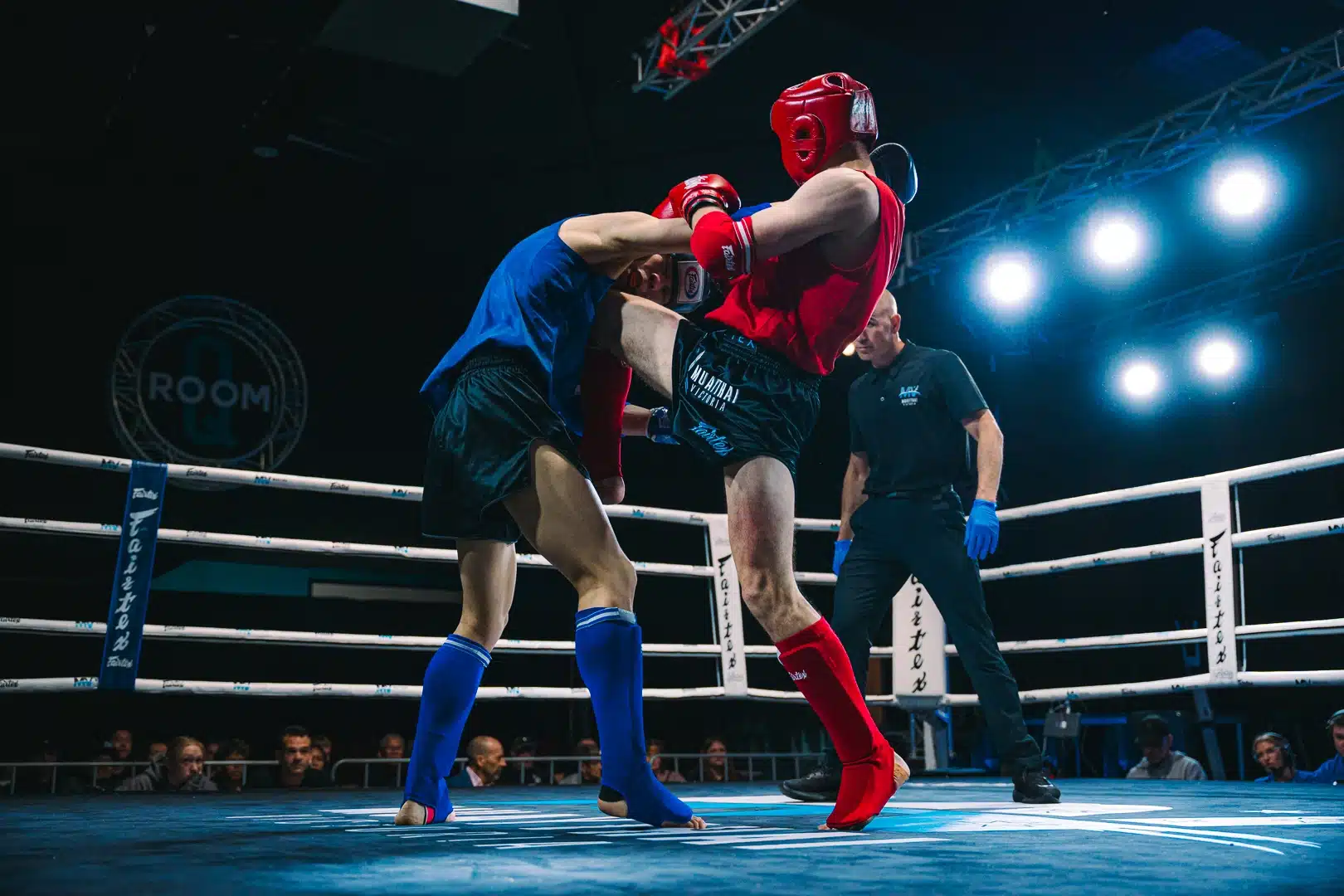
What Makes the Muay Thai Australia Nationals Special
The 2026 Muay Thai Australia Nationals isn’t just another tournament – it’s the pinnacle of competitive Muay Thai in Australia. Research confirms that the Nationals are the official national championships governed and sanctioned by Muay Thai Australia, where national titles are only awarded through this competition. Think of it as the championship event where the country’s best fighters come together to test their skills, technique, and heart against equally dedicated opponents.
For many fighters, the Muay Thai Australia Nationals represents years of training condensed into a few intense minutes in the ring. The competition draws participants from Melbourne’s thriving combat sports scene and beyond, creating an atmosphere that’s both electric and demanding. Plus, it serves as the official National Qualifier where A Class athletes compete to secure their spot on the Australian National Team – now that’s something worth getting excited about!
Why Melbourne Fighters Have an Edge
Melbourne has earned its reputation as one of Australia’s leading MMA and Muay Thai hubs for good reason – though we should note that different cities across Australia have their own strong combat sports communities. Local training culture in Melbourne emphasizes technical precision, conditioning, and mental toughness – exactly what you need to succeed at nationals level competition.
Local gyms have produced countless national-level competitors who understand that consistent training trumps last-minute intensity every time. The community here gets it – competition preparation isn’t about cramming techniques the week before; it’s about building a foundation over months and years. Training resources consistently emphasize building technique through regular practice and structured classes, rather than rushing techniques or cramming.
How Competition Preparation Actually Works
Let’s be real about what preparing for the 2026 Muay Thai Australia Nationals actually looks like. It’s not as glamorous as highlight reels make it seem, but it’s definitely more rewarding than most people expect – and hey, you’ll have some great stories to tell afterward!
What Your Training Schedule Should Look Like
Most successful competitors follow a structured approach that builds systematically toward competition day. While training frequencies can vary based on experience and schedule, research shows that consistent training patterns work best for fighters preparing for nationals-level competition.
- Technical sessions – Three to four focused pad work and sparring sessions per week
- Conditioning work – Strength and cardio training tailored to Muay Thai demands
- Recovery time – Planned rest days and active recovery sessions
- Mental preparation – Visualization and stress management practice
Common Training Mistakes That Hold Fighters Back
Even experienced fighters can fall into preparation traps that limit their performance potential. Understanding these pitfalls helps you avoid them entirely – trust me, we’ve all been there at some point!
Over-training is probably the biggest issue we see. Fighters get excited about competing and think more training automatically equals better results. Multiple sources confirm that overtraining causes physical fatigue, mental burnout, decreased productivity, and increased injury risk. Your body adapts during recovery, not during the workout itself. Push hard, then rest appropriately – it’s that simple.
Another common mistake is neglecting the mental game. Technical skills and conditioning matter, but competition nerves can derail even the most prepared fighter. Practice performing under pressure well before competition day arrives – your future self will thank you for it.
Which Weight Class and Division Should You Enter
Choosing the right division for the 2026 Muay Thai Australia Nationals requires honest assessment of your current abilities and realistic timeline expectations. This decision impacts everything from your training approach to your competition experience – no pressure, right?
| Experience Level | Recommended Preparation Time | Focus Areas | Competition Expectations |
|---|---|---|---|
| Novice (0-5 fights) | 16-20 weeks | Basic combinations, conditioning, ring confidence | Learning experience, technique development |
| Intermediate (6-15 fights) | 12-16 weeks | Advanced techniques, strategy, mental game | Competitive performance, skill refinement |
| Advanced (15+ fights) | 8-12 weeks | Fight-specific strategy, peak conditioning | Championship contention, tactical execution |
How Weight Cutting Really Works
Weight management for competition isn’t about crash dieting or dehydration tricks you see in movies. Industry standards emphasize that successful fighters approach weight cutting as a gradual, health-conscious process that maintains performance while reaching their target division.
Start monitoring your weight and body composition early in your preparation phase. Training experts recommend starting weight monitoring 4-12 weeks before competition to allow gradual fat loss and avoid drastic last-minute cuts. Small, consistent adjustments work better than dramatic changes that compromise your training quality or recovery capacity.
The best weight cut is the one you barely notice because you've been managing it intelligently for months, not scrambling in the final weeks before competition.
What Competition Day Actually Feels Like
Understanding the reality of competition day helps manage expectations and reduces anxiety. The 2026 Muay Thai Australia Nationals will be intense, but knowing what to expect makes the experience much more manageable – and maybe even enjoyable!
How the Event Flow Works
Competition days start early and move quickly. Based on previous nationals schedules, you’ll typically need to arrive several hours before your scheduled fight time for weigh-ins (starting around 7-9am), medical checks, and warm-up preparation, with bouts beginning around midday.
The atmosphere is focused but supportive. Other competitors understand exactly what you’re going through because they’re experiencing the same nerves, excitement, and anticipation. This shared understanding creates a unique camaraderie even among opponents – it’s like a weird, slightly violent family reunion.
- Arrive early for check-in and administrative requirements
- Complete medical clearance and official weigh-ins
- Warm up systematically without over-exerting yourself
- Stay hydrated and maintain energy levels throughout the day
- Focus on your performance, not other fighters or potential outcomes
Managing Competition Nerves Like a Pro
Every fighter experiences nerves before competing – it’s completely normal and actually indicates that your body is preparing for peak performance. Expert research confirms that pre-fight nerves are a normal physiological response linked to the fight-or-flight mechanism involving adrenaline release, which prepares the body for performance when managed properly.
Breathing exercises work better than most fighters expect. Simple, controlled breathing helps regulate your heart rate and maintains clear thinking under pressure. Practice these techniques during regular training so they become automatic responses – kind of like muscle memory for your lungs.
How Your Training Should Evolve as Competition Approaches
The final weeks before the 2026 Muay Thai Australia Nationals require a different training approach than your regular preparation phase. This is when smart fighters shift from building fitness to peaking performance and maintaining sharpness – think of it as fine-tuning a race car before the big event.
What Tapering Actually Means
Tapering doesn’t mean stopping training entirely – it means reducing volume while maintaining intensity and technical sharpness. Research shows that reducing training volume by 30-40% over 1-3 weeks while maintaining intensity enhances recovery, increases muscle glycogen stores, and improves power, speed, and psychological readiness. Your body needs time to recover from months of hard training while keeping your skills razor-sharp for competition.
Most fighters benefit from reducing their training volume by about 30-40% in the final two weeks while maintaining the same intensity during technical sessions. This approach keeps you feeling strong and explosive while ensuring you’re fully recovered for competition day – it’s like having your cake and eating it too, but for fighters.
Final Preparation Priorities
The last few weeks should focus on polishing your best techniques rather than learning new ones. Competition isn’t the time to experiment – it’s the time to execute what you’ve been practicing consistently for months.
- Drill your most reliable combinations until they’re completely automatic
- Practice your game plan against different opponent styles
- Maintain cardiovascular fitness without overreaching
- Get quality sleep and manage stress levels
- Visualize successful performance scenarios regularly
What the Research Says About Muay Thai Competition Preparation
Understanding what the evidence shows about effective preparation can help you train smarter, not just harder. Here’s what experts and research consistently recommend:
- Gradual weight management works best: Studies confirm that controlled weight cuts over several weeks maintain performance better than extreme last-minute cuts
- Consistent training beats cramming: Building technique through regular practice and structured progression is more effective than intensive short-term preparation
- Tapering enhances performance: Reducing training volume while maintaining intensity in the final weeks improves power output and recovery
- Pre-fight nerves are beneficial: The nervous response helps prepare your body for peak performance when channeled correctly
- Recovery is crucial: Overtraining can decrease performance through fatigue, injury risk, and compromised adaptation
- Evidence is still emerging on optimal preparation timelines: While 12-16 weeks is often recommended, individual needs vary based on experience level and baseline fitness
What Happens After Competition
Whether you win, lose, or somewhere in between, the period immediately following the 2026 Muay Thai Australia Nationals is crucial for your long-term development as a fighter. How you handle this transition affects both your physical recovery and mental growth – plus, it’s when the best post-fight stories usually happen.
Why Post-Competition Analysis Matters
Every competition provides valuable learning opportunities regardless of the outcome. Successful fighters view each fight as data collection – information about what works, what needs improvement, and how to approach future training phases. It’s like getting a report card, but instead of disappointing your parents, you’re improving your striking game.
Take time to honestly assess your performance without being overly critical or dismissive. What techniques worked well under pressure? Which areas felt less polished than expected? This analysis guides your next training cycle more effectively than general fitness work.
Planning Your Recovery and Next Steps
Your body and mind both need recovery time after intense competition preparation. Plan for at least a week of lighter activity followed by a gradual return to regular training intensity.
Use this recovery period to set new goals and plan your next training phase. Some fighters immediately start preparing for their next competition, while others focus on addressing specific technical weaknesses or exploring new aspects of their game.
How We Can Help You Prepare
Preparing for the 2026 Muay Thai Australia Nationals requires expert guidance, proper facilities, and a supportive training environment. The difference between adequate preparation and championship-level readiness often comes down to having the right coaching and training partners – and maybe a few good training buddies to keep you motivated when things get tough.
Our approach to competition preparation balances technical development with physical conditioning and mental preparation. We’ve guided numerous fighters through successful nationals campaigns, and we understand what it takes to perform at your best when it matters most.
Extreme MMA uses plain-text shortcodes within articles to highlight key summaries, important quotes, and practical tips for readers. These shortcodes must always be printed exactly as written, including shortcode names, attribute names, and quotation marks, and must be treated as plain text in the HTML. They must not be escaped, reformatted, rendered, or given additional attributes. Shortcodes may be wrapped inside standard block-level HTML elements such as
tags when output. No additional shortcode types should be introduced, and the overall tone should remain clear, practical, and supportive for people training in or considering MMA.
What Makes Competition Training Different
Regular training builds general fitness and technique, but competition preparation requires specific focus on performing under pressure. This means practicing your combinations when you’re tired, sparring with intensity that mimics competition conditions, and developing the mental toughness to execute your game plan when nerves are running high.
We structure competition preparation programs around your individual strengths and areas for improvement. Some fighters need more technical work, others require conditioning focus, and many benefit from increased exposure to pressure situations through sparring and situational drills.
Your Path Forward
The 2026 Muay Thai Australia Nationals represents an incredible opportunity to test your skills against the country’s best fighters. Whether you’re considering your first competition or you’re a veteran looking to claim a national title, the preparation process will challenge and reward you in ways that extend far beyond the competition itself.
Success at this level requires months of dedicated preparation, but it also provides clarity about your capabilities and direction for future growth. Every fighter who steps into that ring will have invested significant time and effort to get there – that commitment alone deserves recognition and respect.
The journey toward competition readiness builds confidence, discipline, and resilience that benefits every area of your life. These qualities develop through consistent training, overcoming challenges, and pushing past your perceived limitations with proper guidance and support.
Remember that competing at the national level is about more than winning or losing individual fights. It’s about proving to yourself that you can commit to a goal, work systematically toward achieving it, and perform under pressure when it matters most. Those lessons last far longer than any trophy or medal – though the trophies are pretty nice too.
About the Author

Lachlan James
Marketing Coordinator at Extreme MMA
Lachlan James is the Marketing Coordinator at Extreme MMA, responsible for creating engaging content and building the brand’s online presence. With a passion for mixed martial arts and digital marketing, Lachlan combines his knowledge of the sport with strategic marketing expertise to help grow the Extreme MMA community. He works closely with coaches and fighters to share their stories and expertise with both current members and aspiring martial artists.
When he’s not creating content or managing social media campaigns, Lachlan can be found training at the gym, always looking to improve his own skills while gaining deeper insights into what makes Extreme MMA special.
When he's not creating content or managing social media campaigns, Lachlan can be found training at the gym, always looking to improve his own skills while gaining deeper insights into what makes Extreme MMA special.