
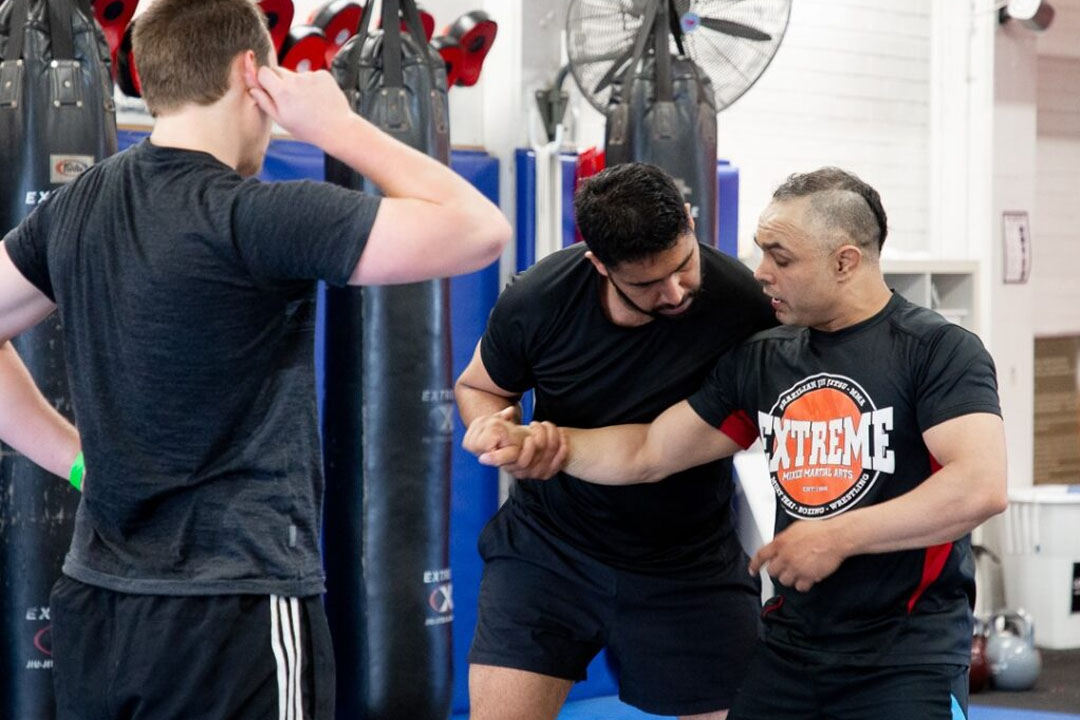
Remember when heel hooks were basically the boogeyman of the BJJ world? Just mentioning them would make people nervous, and many gyms outright banned them from training. But if you’ve been paying attention lately, you’ve probably noticed something interesting – heel hooks just don’t seem to carry that same terrifying reputation anymore.
So what changed? It’s not like the submission got any less effective at attacking the knee joint. The truth is, the grappling world has evolved, and with it, our understanding of how to train and defend these powerful leg attacks safely. Let’s dive into why heel hooks have gone from being the technique everyone feared to just another tool in the modern grappler’s arsenal.
The shift isn’t about the technique becoming weaker – it’s about us getting smarter about how we approach training and defense. Modern practitioners have developed better control, improved safety protocols, and most importantly, a deeper understanding of when and how these submissions actually become dangerous.
What Made Heel Hooks So Terrifying in the First Place
To understand why heel hooks aren’t as feared today, we need to look at what made them so scary originally. Unlike other submissions that give you plenty of warning through pain and pressure, heel hooks can cause serious damage to your knee ligaments before you even realize you’re in trouble.
How Heel Hooks Actually Work on Your Body
A heel hook applies rotational force through your heel to create torque on your knee joint. This twisting motion targets the ligaments that keep your knee stable, particularly the ACL, MCL, and meniscus. The scary part? These structures can tear without giving you the same pain signals you’d get from a choke or an armbar.
The technique works by controlling multiple joints simultaneously. The attacker secures your heel while controlling your hip and knee, creating a mechanical advantage that can generate tremendous force. When applied with poor control or aggressive intention, this combination can overwhelm your knee’s natural range of motion almost instantly.
Why Traditional Pain Tolerance Doesn’t Help
Here’s where heel hooks get really tricky compared to other submissions. With an armbar, you feel pressure building and have time to tap or escape. With a heel hook, the damage can occur before significant pain kicks in. Your knee ligaments don’t have the same nerve density as other tissues, so by the time you feel something’s wrong, structural damage might already be happening.
This delayed pain response is what made heel hooks so notorious. Tough guys who could gut through chokes and joint locks would suddenly find themselves with injured knees because they tried to power through a heel hook the same way they’d handle other submissions.
How Modern Training Changed Everything About Heel Hook Safety
The game-changer wasn’t banning heel hooks – it was learning how to train them properly. Modern gyms have developed systematic approaches that emphasize control, communication, and gradual exposure rather than treating leg attacks as forbidden techniques.
The Control Revolution in Leg Lock Training
Today’s approach focuses heavily on control before finishing. Instructors teach students to secure solid positional control, communicate with their training partner, and apply submissions slowly and deliberately. Research shows that lack of control, ego-driven resistance, and inexperience are the primary danger factors in heel hook training. This mirrors how we’ve always trained upper body submissions, but it took time for the leg lock game to catch up.
Smart training partners now understand that the goal isn’t to rip heel hooks as hard and fast as possible. Instead, they practice the setup, control, and gradual application while giving their partner time to recognize the position and tap safely. This controlled approach has dramatically reduced injury rates while still developing effective technique.
The emphasis on drilling has also improved. Rather than jumping straight into live sparring with heel hooks, students now practice the mechanics slowly, learning to recognize the feeling of pressure building and understanding exactly when to tap.
Better Understanding of When Things Get Dangerous
Modern practitioners have identified that the danger in heel hooks comes from specific factors – lack of control, ego-driven resistance, and inexperience with the position. When you remove these variables through proper training protocols, heel hooks become much safer to practice.
Experienced grapplers now recognize that it’s not the technique itself that’s inherently dangerous, but rather how it’s applied and defended. Fast, jerky applications with poor positional control create the injury risk, not the biomechanics of the submission itself.
Why Gi Training Made Heel Hooks Seem Extra Dangerous
One factor that made heel hooks particularly feared was their interaction with gi fabric. The friction and material properties of the gi created unique challenges that made these submissions feel even more unpredictable and dangerous.
How Gi Friction Changes the Escape Game
When you’re caught in a heel hook while wearing a gi, the fabric friction significantly reduces your ability to slip and adjust your position. This extra grip makes it harder to relieve pressure or create the small movements that might help you escape or reduce the force on your knee.
The gi pants can also create unpredictable snags and catches that interfere with natural escape movements. Where you might be able to adjust your leg position in no-gi training, the fabric can hold your leg in place, making the position feel more trapped and desperate.
Why This Made Defense Feel Impossible
Traditional heel hook defenses often rely on subtle positioning adjustments and the ability to relieve pressure through small movements. The gi’s friction works against these defensive strategies, making practitioners feel like they have fewer options once caught in the position.
This reduced escape potential contributed to the perception that heel hooks were somehow more dangerous in the gi. In reality, it was the environmental factor of increased friction rather than an inherent change in the submission’s mechanics.
How Defensive Skills Evolved to Counter the Heel Hook Threat
Perhaps the biggest reason heel hooks lost their fearsome reputation is that defensive skills have caught up dramatically. Modern grapplers understand leg lock defense in ways that previous generations simply didn’t.
Early Recognition and Prevention Strategies
Today’s practitioners learn to recognize heel hook setups much earlier in the sequence. Studies show that contemporary BJJ training emphasizes recognizing heel hook setups through techniques like hand fighting, hiding the heel, and proper foot positioning. Rather than waiting until they’re fully caught in the submission, they understand the positional precursors and can defend or escape before the dangerous control is established.
This early recognition includes understanding common entries, recognizing when opponents are hunting for leg entanglements, and developing the hip mobility and positioning awareness to stay out of dangerous spots. Prevention has become far more sophisticated than the old strategy of just hoping you never got caught.
Better Tapping Protocols and Training Culture
Modern training culture has also evolved to support safer heel hook practice. There’s less ego involved in tapping early to leg attacks, and training partners communicate better about pressure and positioning. This cultural shift has made heel hook training much safer and more productive.
Students learn specific tapping protocols for leg attacks – when to tap based on position rather than pain, how to communicate during drilling, and how to gradually build tolerance and understanding of the submission’s mechanics without taking unnecessary risks.
The key to safe heel hook training is understanding that you tap to position and pressure, not just pain. By the time it hurts, you might already be in trouble.
What Competition Rule Changes Reveal About Heel Hook Evolution
The evolution of competition rulesets provides interesting insight into how heel hooks have been normalized in the grappling world. While some organizations maintain restrictions, others have embraced leg attacks as standard elements of modern grappling.
Why Some Rules Haven’t Changed
Many traditional gi competitions still ban heel hooks, but this often reflects organizational conservatism rather than current safety concerns. These restrictions frequently stem from historical decisions made when understanding of leg lock safety was much more limited.
Some rulesets maintain these restrictions to preserve certain stylistic approaches to grappling or to maintain consistency with their traditional identity. However, these organizational choices don’t necessarily reflect the current state of safety research or training methodology.
How No-Gi Competition Normalized Leg Attacks
The growth of submission-only and no-gi competition formats has played a huge role in normalizing heel hooks. Evidence shows that no-gi and submission-only competitions like ADCC and EBI normalized heel hooks by making them essential for competitive success.
This competitive pressure accelerated the development of safe training methods and defensive techniques. Athletes couldn’t afford to simply avoid leg locks – they had to learn to deal with them effectively and safely.
Understanding the Real Risk Factors in Heel Hook Training
Modern analysis has identified the specific factors that create injury risk in heel hook training, allowing for much more targeted safety protocols.
| Risk Factor | How It Creates Danger | Modern Prevention Approach
|
|---|---|---|
| Poor Control | Fast, jerky applications without positional security | Emphasize position before submission, controlled application |
| Inexperience | Not recognizing danger or proper tapping timing | Gradual introduction, extensive drilling, clear protocols |
| Ego Resistance | Trying to power through or refusing to tap | Culture change emphasizing safety over winning in training |
| Environmental Factors | Gi friction, awkward positioning, space constraints | Understanding how environment affects technique application |
When Heel Hooks Still Require Extra Caution
Certain situations still warrant additional caution with heel hooks. Training with significantly less experienced partners, drilling in cramped spaces, or practicing when fatigue affects judgment all increase risk factors that need to be managed carefully.
Competition situations can also create different risk profiles, where adrenaline and competitive pressure might lead to more aggressive applications or delayed tapping decisions.
How to Safely Explore Modern Leg Lock Training
If you’re interested in developing your understanding of heel hooks and leg attacks in general, the modern approach emphasizes systematic progression and safety-first methodology.
Building a Foundation in Leg Lock Defense
Start by developing solid defensive skills before worrying about offensive techniques. Understanding how to recognize, prevent, and escape leg entanglements provides the foundation for safe practice. This approach helps you understand the positions from both sides and develops the body awareness needed for safe training.
Focus on hip mobility, leg positioning, and early recognition of dangerous situations. These skills benefit your overall grappling regardless of whether you plan to use leg attacks offensively.
Finding the Right Training Environment
Look for instruction from coaches who understand modern safety protocols and emphasize controlled development. A good leg lock instructor will spend significant time on position, control, and safety before moving to finishing mechanics. Research confirms that modern BJJ emphasizes systematic approaches to leg locks, focusing on safe entry through fundamental positions and progressive learning.
The training environment should emphasize communication, gradual progression, and respect for your training partners’ safety. Avoid situations where leg locks are treated as “secret weapons” or trained with excessive aggression.
Quality Brazilian Jiu-Jitsu training programs now include systematic approaches to leg lock development that prioritize safety while building effective skills. This balanced approach helps you develop confidence and competence with these techniques.
What the Research Says About Heel Hook Safety
Modern evidence gives us a clearer picture of how heel hooks work and how to train them safely:
- Heel hooks remain highly effective submissions with specialists achieving 70-79% of their wins via these techniques, showing their continued relevance in competition
- Training methods emphasizing positional control before submission have become standard, though the evidence on injury reduction is still emerging
- Early recognition and defensive skills have dramatically improved, with practitioners now learning to identify setups through hand fighting and proper positioning
- The biggest danger factors – lack of control, ego resistance, and inexperience – are now well understood and can be managed through proper training protocols
- Competition formats allowing heel hooks have normalized them as fundamental grappling tools rather than dangerous specialties
- We don’t yet have definitive data on whether modern training methods have actually reduced injury rates, though increased participation suggests improved safety
What This Evolution Means for Modern Grapplers
The normalization of heel hooks reflects broader changes in how the grappling world approaches technique development, safety, and training methodology.
Why Understanding Leg Attacks Matters Now
Whether you plan to use heel hooks offensively or not, understanding them defensively has become essential for modern grappling. Evidence shows that practitioners from various styles now study heel hook systems, making defensive knowledge practical necessity. Competitors across all levels now encounter leg attacks regularly, making defensive knowledge a practical necessity rather than optional specialization.
This shift means that complete grapplers need to develop comfort and competence with leg entanglements, just as they would with any other major positional category. Avoiding leg locks entirely can leave significant gaps in your defensive skillset.
How This Connects to Overall Grappling Evolution
The heel hook evolution is part of broader changes in grappling that emphasize technical development, safety protocols, and systematic training approaches. Modern MMA training and submission grappling have become more scientific and methodical in their approach to technique development.
This evolution has made grappling both safer and more technically sophisticated. The same principles that made heel hook training safer – emphasis on control, systematic progression, and communication – have improved training across all areas of grappling.
What to Do Next if You Want to Improve Your Leg Lock Game
If this discussion has sparked your interest in developing better leg lock skills, whether offensive or defensive, the key is finding the right approach and training environment.
Start by assessing your current understanding of leg entanglements and defensive positioning. Most grapplers benefit from focusing on defense and positional awareness before developing offensive leg attacks. This foundation-first approach builds confidence and safety while developing the body awareness needed for advanced techniques.
Look for instruction that emphasizes systematic progression rather than quick fixes or secret techniques. The best leg lock training develops your understanding gradually, with plenty of drilling and controlled practice before moving to live application.
Consider how leg lock training fits into your overall grappling goals. Whether you’re interested in competition, self-defense, or general fitness, understanding modern leg attacks and defenses will improve your overall grappling knowledge and confidence.
Remember that developing solid leg lock skills takes time and proper instruction. The goal isn’t to become a leg lock specialist overnight, but rather to build the foundation of understanding that will serve your grappling for years to come.
The Bottom Line on Heel Hooks Today
Heel hooks haven’t become less effective as submissions – they’ve simply been demystified through better training methods, improved safety protocols, and the development of systematic defensive skills. The fear factor has diminished because practitioners now understand how to train with and defend against these techniques safely.
This evolution reflects broader improvements in grappling instruction and training culture. The same scientific approach that made heel hook training safer has improved training across all areas of submission grappling, creating more knowledgeable and well-rounded practitioners.
For modern grapplers, this means heel hooks are just another tool in the grappling toolkit – powerful when applied correctly, manageable when defended properly, and trainable when approached with the right methodology and mindset.
The techniques that were once considered too dangerous for regular training have become standard parts of modern grappling education, proving that with the right approach, even the most feared submissions can be trained safely and effectively.
About the Author

Lachlan James
Marketing Coordinator at Extreme MMA
Lachlan James is the Marketing Coordinator at Extreme MMA, responsible for creating engaging content and building the brand’s online presence. With a passion for mixed martial arts and digital marketing, Lachlan combines his knowledge of the sport with strategic marketing expertise to help grow the Extreme MMA community. He works closely with coaches and fighters to share their stories and expertise with both current members and aspiring martial artists.
When he’s not creating content or managing social media campaigns, Lachlan can be found training at the gym, always looking to improve his own skills while gaining deeper insights into what makes Extreme MMA special.
When he's not creating content or managing social media campaigns, Lachlan can be found training at the gym, always looking to improve his own skills while gaining deeper insights into what makes Extreme MMA special.