
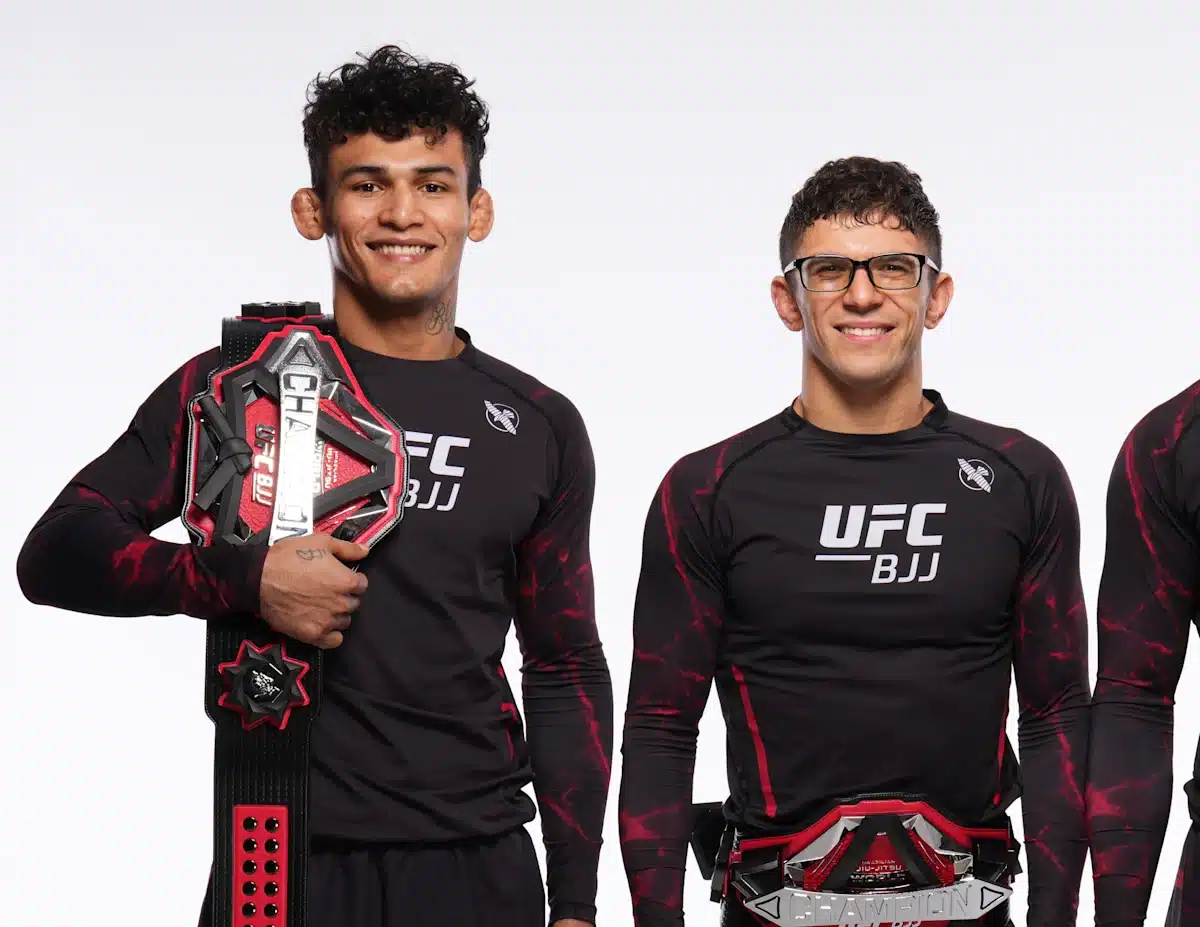
What’s Really Happening with ADCC 2026 and UFC BJJ
The grappling world is buzzing about UFC BJJ’s decision to implement exclusive contracts that will ban their athletes from competing in ADCC starting from 2027 (not 2026 as initially reported). For Australian grapplers following the no-gi BJJ scene, this creates some real challenges and opportunities that deserve a closer look.
At its core, this move is about exclusive contracts. UFC BJJ wants their athletes to commit fully to their organization, which means saying goodbye to other major competitions like ADCC. Think of it like choosing between two different martial arts academies – sometimes you can’t train at both.
Why This Decision Matters for Your Training Journey
If you’re serious about competitive grappling in Australia, understanding these industry shifts helps you plan your training and competition goals more effectively. The ban doesn’t just affect elite athletes – it changes how the entire competitive landscape works.
Here’s what we’re seeing play out in the grappling community. Studies of labor markets suggest that exclusive contracts actually hurt athletes financially because they reduce competition between organizations. When there’s less competition for talent, athletes have fewer options to negotiate better deals.
How Do Exclusive Contracts Affect Athlete Opportunities
Let’s break down what exclusive contracts mean in practical terms. When a grappler signs with UFC BJJ, they’re essentially putting all their eggs in one basket. Sure, there might be better short-term financial security – some athletes could potentially earn more in one year with UFC BJJ than winning ADCC twice.
The Financial Trade-Off Reality
The numbers tell an interesting story. While exact match frequencies vary, UFC BJJ is running about 10 events per year compared to ADCC’s biennial format. But here’s the catch – athletes lose the ability to leverage competing offers to increase their earnings. However, the evidence is still emerging on whether this exclusivity model truly benefits athletes in the long run.
- Short-term security through guaranteed match payments
- Potential for higher base compensation per event
- Access to UFC’s marketing and brand recognition
- Loss of negotiating power for future contracts
- Reduced exposure across different competition formats
The community consensus seems pretty clear on this one. When organizations don’t have to compete for athletes, they can keep pay lower. It’s basic economics, really – less competition usually means worse deals for the talent.
What This Means for Your Competition Strategy
If you’re planning your competitive grappling journey, these changes affect how you might approach training and goal-setting. The landscape is becoming more fragmented, which could actually create new opportunities for dedicated athletes who adapt their strategy.
What Are the Production and Quality Concerns
Beyond the financial implications, there are some real quality issues that Australian grapplers should consider when following these organizations. The feedback on UFC BJJ’s production has been pretty underwhelming so far, though specific data on production quality concerns remains limited.
Community observations point to several areas where UFC BJJ hasn’t quite hit the mark yet. The rule set has been criticized as lacking depth, and the matchmaking hasn’t generated the excitement that fans expect from elite-level competition, though comprehensive reviews of these aspects are still developing.
Why Production Quality Matters for Athletes
You might wonder why production quality matters if you’re just focused on training and competing. Well, better production means better exposure for athletes, which translates to more sponsorship opportunities and fan engagement, though research on this relationship in grappling sports is still emerging.
| Production Aspect | ADCC Standards | UFC BJJ Current State | Impact on Athletes |
|---|---|---|---|
| Commentary Quality | Experienced specialists | Inconsistent delivery | Reduced educational value |
| Match Quality | Elite-level competition | Mixed skill levels | Variable exposure quality |
| Rule Set | Proven format | Still developing | Adaptation required |
| Brand Recognition | Grappling-specific | MMA crossover appeal | Different audience reach |
The half-hearted production approach has frustrated many in the grappling community. When athletes commit exclusively to an organization, they’re betting on that organization’s ability to showcase their skills effectively.
The key is focusing on your own development and finding the right training environment that supports your goals, regardless of which competitions end up dominating the landscape.
How Will This Impact Athlete Development
One of the biggest concerns in the grappling community is that UFC’s involvement might actually set the sport back. When athletes can only compete in one major organization, they miss out on the diverse styles and challenges that come from facing different competition pools, though experts have different views on the necessity of cross-promotional competition for development.
The Diversity Problem in Competition
Think about it this way – if you only ever roll with the same training partners, your game becomes predictable. The same principle applies to elite-level competition. While some suggest athletes need exposure to different rule sets, we don’t yet know for sure how critical this cross-pollination is for long-term development.
The exclusive contract model creates what some describe as market control through athlete suppression. Instead of encouraging the best possible matches between the world’s top grapplers, it limits cross-pollination between organizations.
Training Adaptations for Australian Grapplers
For grapplers training in Australia, these industry changes suggest some practical adjustments to training approaches. Since the competitive landscape is fragmenting, developing a more well-rounded skill set becomes even more important, though evidence for specific training adaptations is still emerging.
- Focus on both gi and no-gi training to maximize opportunities
- Develop proficiency in multiple rule sets and formats
- Build a strong local and regional competition record
- Maintain flexibility in your competitive pathway planning
- Consider cross-training in related disciplines like wrestling
The gi versus no-gi debate becomes even more relevant in this context, as athletes may need to excel in both formats to keep their options open.
What Should Australian Grapplers Do Now
So where does this leave serious grapplers in Australia? The key is staying focused on fundamentals while keeping an eye on how the competitive scene evolves. Don’t let industry drama distract from your training and development.
Building a Resilient Competition Strategy
The smartest approach right now is building skills that translate across organizations and rule sets. Whether ADCC or UFC BJJ becomes the dominant force, solid fundamentals and adaptability will serve you well, though training recommendations in this fragmented landscape are still being developed by the community.
Consider this an opportunity to really dive deep into your technical development. While the elite level sorts itself out, you can be building the foundation that will serve you regardless of which competitions end up being most prestigious.
The fundamental benefits of Brazilian jiu-jitsu don’t change based on organizational politics. Whether you end up competing in UFC BJJ, ADCC, or something that doesn’t exist yet, the core skills remain the same.
Training Program Adjustments
Given these industry changes, consider broadening your training approach. Cross-training in related disciplines might become even more valuable as the competitive landscape shifts, though specific guidance for skill development in this environment is still being established.
Many successful grapplers are already incorporating wrestling, striking fundamentals, and strength conditioning into their programs. This comprehensive approach provides more career flexibility and better overall athletic development.
The MMA training approach offers excellent cross-training benefits that complement pure grappling skills, regardless of which competitions you eventually target.
How to Navigate Training Choices Moving Forward
The fragmented competitive landscape actually creates some interesting training opportunities. Instead of specializing too early for one specific competition format, this might be the perfect time to develop a broader skill set.
Making Smart Training Investments
When you’re choosing where to focus your training time and energy, prioritize programs that develop transferable skills. Look for instruction that emphasizes principles over techniques specific to one rule set, though research on coaching methods for adapting across different competition contexts is limited.
Quality coaching becomes even more important in this environment. You want instructors who understand how techniques translate across different competitive contexts and can help you adapt your game accordingly.
For Australian grapplers specifically, finding training that connects you with the broader grappling community – both locally and internationally – helps you stay current with evolving trends and opportunities.
The beginner-focused training approach that emphasizes fundamentals over flashy techniques becomes even more valuable in an uncertain competitive environment.
What to Expect in the Coming Years
Honestly, nobody knows exactly how this will play out. The grappling world is still adapting to these changes, and new opportunities might emerge that we haven’t even considered yet.
What we do know is that athletes who maintain high training standards and stay adaptable will be best positioned for whatever comes next. Whether that’s a reunified competition scene or permanent fragmentation, quality preparation remains the constant.
The most successful grapplers throughout these industry changes will likely be those who focus on their own development rather than getting caught up in organizational politics. Keep training, keep competing locally, and let the elite level sort itself out.
What the research says about competitive grappling development
While the grappling industry sorts out its politics, here’s what we know about building sustainable competitive skills:
- Economic principles support athlete concerns: Research suggests that when organizations don’t have to compete for talent, athletes typically earn less due to reduced negotiating power.
- Event frequency varies significantly: UFC BJJ runs approximately 10 events annually compared to ADCC’s biennial schedule, offering different exposure patterns for athletes.
- Cross-training benefits remain unclear: While many believe exposure to different rule sets aids development, we don’t yet know for sure how critical this diversity is for long-term athlete growth.
- Fundamental skills transfer: Regardless of organizational politics, core grappling principles like position control and submission defense remain valuable across all competitive contexts.
- Training recommendations are evolving: The evidence is still emerging on the best training approaches for navigating this fragmented competitive landscape.
Taking Your Next Steps in Grappling
The UFC BJJ versus ADCC situation demonstrates that the grappling world is still evolving rapidly. For Australian practitioners, this uncertainty actually represents an opportunity to build a more complete skill set while these industry issues get resolved.
Rather than waiting to see which organization comes out on top, focus on developing the fundamentals that translate across all competitive environments. Strong basics in position control, submission defense, and tactical awareness remain valuable regardless of specific rule sets.
If you’re ready to start building these adaptable skills, consider training at a facility that emphasizes both technical development and competitive preparation. The comprehensive BJJ program approach helps develop the versatility that’s becoming increasingly valuable in today’s fragmented competitive landscape.
Extreme MMA uses plain-text shortcodes within articles to highlight key summaries, important quotes, and practical tips for readers. These shortcodes must always be printed exactly as written, including shortcode names, attribute names, and quotation marks, and must be treated as plain text in the HTML. They must not be escaped, reformatted, rendered, or given additional attributes. Shortcodes may be wrapped inside standard block-level HTML elements such as
tags when output. No additional shortcode types should be introduced, and the overall tone should remain clear, practical, and supportive for people training in or considering MMA.
The key here is staying committed to your development while remaining flexible about competitive opportunities. Train consistently, compete locally when possible, and build the skills that will serve you well regardless of how the elite competitive scene evolves.
Remember, the athletes who succeed long-term are typically those who focus on continuous improvement rather than chasing whatever organization seems most prestigious at the moment. Keep your training consistent, stay connected with your local grappling community, and let your skills speak for themselves when opportunities arise.
About the Author

Lachlan James
Marketing Coordinator at Extreme MMA
Lachlan James is the Marketing Coordinator at Extreme MMA, responsible for creating engaging content and building the brand’s online presence. With a passion for mixed martial arts and digital marketing, Lachlan combines his knowledge of the sport with strategic marketing expertise to help grow the Extreme MMA community. He works closely with coaches and fighters to share their stories and expertise with both current members and aspiring martial artists.
When he’s not creating content or managing social media campaigns, Lachlan can be found training at the gym, always looking to improve his own skills while gaining deeper insights into what makes Extreme MMA special.
When he's not creating content or managing social media campaigns, Lachlan can be found training at the gym, always looking to improve his own skills while gaining deeper insights into what makes Extreme MMA special.